
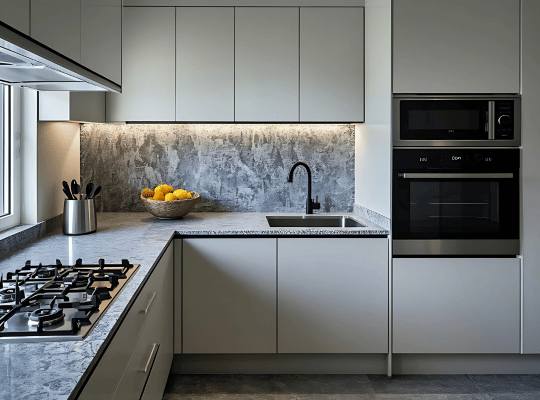
Introduction
A kitchen is often regarded as the heart of the home, where meals are prepared, conversations happen, and memories are made. If you’re planning to renovate or install a brand-new kitchen, it’s essential to understand the costs involved. Kitchen renovations can vary greatly depending on size, materials, and the level of customization. This article explores the factors that influence the price of a new kitchen and how much does a new kitchen cost?
| Category | Details | Estimated Cost (UK) |
|---|---|---|
| Basic Kitchen Installation | Standard units, minimal customization, and basic finishes. | £3,000 – £8,000 |
| Mid-Range Kitchen Installation | High-quality materials, more units, better appliances, and moderate customization. | £8,000 – £15,000 |
| High-End or Bespoke Kitchen | Premium materials, fully customized designs, luxury appliances, and advanced features. | £15,000 – £50,000+ |
| Cabinets and Cupboards | Pre-fabricated or custom-built cabinets. | £1,000 – £8,000+ |
| Worktops (Countertops) | Options include laminate, wood, granite, quartz, or marble. | £500 – £5,000+ |
| Appliances | Includes ovens, refrigerators, dishwashers, and hobs. | £1,000 – £10,000+ |
| Sink and Taps | Standard or luxury materials like stainless steel, ceramic, or composite granite. | £150 – £2,000+ |
| Lighting | Includes overhead lights, under-cabinet lighting, and decorative fixtures. | £200 – £2,500 |
| Flooring | Materials include laminate, tile, or hardwood. | £500 – £3,000 |
| Wall Finishes and Painting | Includes splashbacks, tiles, or paint for walls. | £200 – £2,500 |
| Plumbing and Electrical Work | Necessary connections and rewiring for kitchen layout. | £500 – £3,000+ |
| Installation Labour Costs | Hiring professionals for assembly and installation. | £1,500 – £5,000+ |
| Additional Features | – Kitchen islands: £1,000 – £5,000+. – Built-in storage solutions: £500 – £2,000+. | £500 – £7,000+ |
| Total Estimated Cost | Depending on size, materials, and complexity. | £3,000 – £50,000+ |
Factors That Influence New Kitchen Costs
When planning a kitchen renovation, understanding the elements that influence overall cost can help you make smarter design and budgeting decisions. A new kitchen’s price is shaped not just by the size of the space but also by the quality of cabinetry, worktops, fittings, and appliances chosen. For example, bespoke or premium cabinets typically command higher prices than off-the-shelf units, and natural stone worktops may be more expensive than laminate alternatives. Labour and installation complexity also play a significant role, as adjustments to plumbing, electrical systems, or structural changes can increase both time and expense. By weighing your priorities — whether that’s sleek modern finishes, durable materials, or energy-efficient appliances — against your budget, you can strike a balance that delivers both functionality and aesthetic appeal without overspending.
How Much Does A New Kitchen Cost?
The cost of a new kitchen in the UK typically ranges from £5,000 to £30,000 or more, depending on the project’s scope. A small kitchen remodel might cost around £5,000 to £10,000, whereas a mid-range kitchen installation can fall between £10,000 and £20,000. High-end or luxury kitchen designs can easily exceed £30,000.
Breaking down the costs further, approximately 60–70% of the budget will go toward materials and appliances, while the rest covers labor and installation costs.
Factors That Affect Kitchen Costs
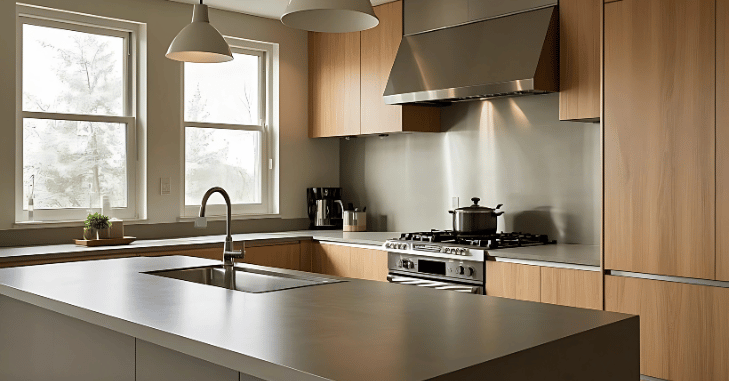
Several factors influence the overall cost of a new kitchen. You can make wise selections if you comprehend these.
1. Kitchen Size
The size of your kitchen directly impacts the cost. A larger kitchen requires more cabinets, countertops, flooring, and other materials, increasing the overall expense.
2. Layout and Design
If you plan to change your kitchen layout—such as relocating plumbing, electrical wiring, or appliances—expect to pay more. Complex layouts that require structural changes or the addition of an island also add to the cost.
3. Materials and Finishes
The materials used for flooring, worktops, and cabinetry greatly impact the budget. For example, laminate countertops are more affordable than granite or quartz, while vinyl flooring is cheaper than natural stone or hardwood.
4. Appliances
Modern appliances can range from budget-friendly options to high-end luxury models. Built-in appliances like ovens, microwaves, and refrigerators also contribute to the overall cost. Although they may cost more upfront, energy-efficient appliances can save you money over time.
5. Labour Costs
Hiring plumbing, electrical work, and installation professionals will add to your expenses. Labor costs vary by region, with urban areas often being more expensive than rural locations.
6. Customization and Add-ons
Customized cabinets, bespoke lighting, or high-tech features like smart appliances can increase the cost significantly. Add-ons like wine coolers, built-in coffee machines, or under-cabinet lighting are popular but come with additional expenses.
Breakdown of Kitchen Costs
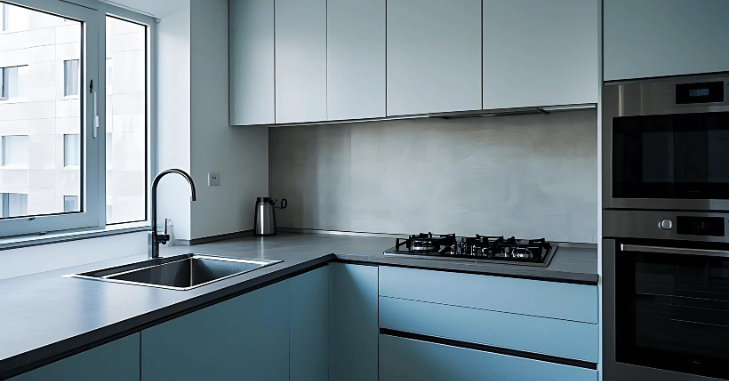
Here’s a general breakdown of where your money might go when installing a new kitchen:
| Category | Estimated Cost |
| Cabinets | £2,000 – £8,000+ |
| Countertops | £1,000 – £5,000+ |
| Appliances | £1,000 – £10,000+ |
| Flooring | £500 – £3,000+ |
| Lighting | £200 – £2,000+ |
| Plumbing/Electrical | £500 – £3,000+ |
| Labour | £1,000 – £5,000+ |
| Miscellaneous Costs | £500 – £2,000+ |
These figures are approximate and can vary based on location, quality of materials, and level of customization.
Budget-Friendly Tips for Your Kitchen Project
Renovating or building a new kitchen doesn’t have to break the bank. Here are some tips to save money while achieving the kitchen of your dreams. Decide on the layout, materials, and appliances early in the process and stick to your budget.
Pay attention to the things that are most important to you, such as sturdy countertops or high-quality appliances. You can save on less critical items like fancy cabinet finishes or designer lighting. Instead of custom-built cabinets, consider stock or semi-custom options. These are more affordable but still offer a wide range of styles.
If you’re renovating an existing kitchen, reuse items like cabinets, sinks, or appliances where possible. A fresh coat of paint or new hardware can give old cabinets a modern look. Benefit from discounts and promotions on materials, fixtures, and appliances. To find the greatest offers, compare prices at several stores.
The Role of Professional Installation
While DIY can save money, hiring professionals for certain aspects of the installation—like plumbing, electrical work, or fitting countertops—ensures a polished result. Poor installation can lead to costly repairs later. Before choosing, look into area contractors, read reviews, and obtain many prices. A reputable contractor can help you stay within budget while delivering quality work.
Luxury Kitchens: What to Expect
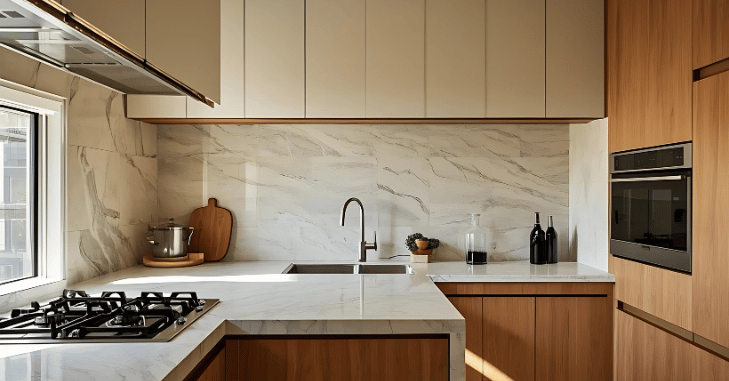
For homeowners seeking a high-end kitchen, expect costs to soar due to premium materials, state-of-the-art appliances, and custom designs. Luxury kitchens often include features like Marble or quartz countertops, Built-in wine coolers or coffee machines, Smart appliances with touch controls, Designer lighting fixtures, and High-end cabinetry with soft-close mechanisms. While these kitchens have a hefty price tag, they can significantly enhance your home’s value and aesthetic appeal.
Conclusion
Careful planning and prioritization can help you achieve a functional and beautiful kitchen, whether on a tight budget or planning a luxurious remodel. By understanding the factors that affect kitchen costs and exploring cost-saving options, you can create a space that suits your lifestyle and enhances your home. Investing in a new kitchen is not just about aesthetics—it’s about adding value, improving functionality, and creating a space you’ll love for years.
Apart from that if you want to know about “Front Door Design: Creating the Perfect First Impression and Design Trends in Front Doors” then please visit our “Kitchen” Category.
FAQs
Yes, a well-designed kitchen can increase your home’s value by up to 10–15%, making it a worthwhile investment, especially if you plan to sell.
A full remodel involves replacing all elements, including cabinets, countertops, appliances, and flooring and may include layout changes. A partial upgrade focuses on specific areas, such as new countertops, cabinet refacing, or updated appliances, which costs less.
Sometimes, homeowners may qualify for grants or schemes that cover energy-efficient kitchen upgrades. Check with local authorities for available programs.
While some tasks like painting or assembling cabinets can be DIY, hiring professionals for plumbing, electrical work, and complex installations ensures safety and quality.
A new kitchen installation typically takes 2 to 4 weeks, depending on the size and complexity of the project. This timeframe includes cabinet fitting, countertop installation, plumbing, and electrical work.