
Introduction
Repointing brickwork is vital to maintaining and preserving the structural integrity of buildings with brick exteriors. Over time, the mortar that holds the bricks together can deteriorate due to weather conditions, age, and wear. Repointing is renewing the mortar joints between bricks, ensuring your building remains sturdy, watertight, and visually appealing. This article will explore the importance of repointing, the methods involved, and the benefits it offers homeowners and property managers.
| Aspect | Details |
|---|
| Definition | Process of removing old mortar and replacing it with new mortar in brickwork. |
| Purpose | To restore structural integrity, prevent water infiltration, and improve aesthetics. |
| Materials Used | Lime mortar, cement mortar, hybrid mortar (lime and cement mix). |
| Signs It’s Needed | Cracked or missing mortar, loose bricks, water damage, internal damp patches. |
| Tools Used | Chisels, grinders, mortar rakes, pointing trowels, brushes. |
| Benefits | Increased durability, enhanced appearance, improved thermal efficiency, added property value. |
| Lifespan | Typically lasts 50–100 years when done correctly. |
| Cost | $20–$40 per square foot on average, depending on project size and complexity. |
| Duration | A few days for small areas; weeks for larger projects. |
| Best Time for Repointing | Mild, dry weather to ensure proper curing of the mortar. |
| DIY or Professional | DIY possible for minor repairs, but professionals are recommended for larger projects. |
| Challenges | Color matching, ensuring mortar compatibility, working in extreme weather. |
| Impact on Value | Improves both structural and aesthetic value, potentially increasing resale value. |
| Environmental Impact | Lime mortar is eco-friendly and allows for breathable masonry. |
| Maintenance | Regular inspections, cleaning, and ensuring proper drainage. |
| Potential Risks | Delays in repointing can lead to water damage, structural instability, and higher repair costs. |
The Value of Repointing Brickwork for Long-Term Structural Health
Repointing brickwork is a fundamental aspect of maintaining the structural integrity and weather resistance of brick buildings. Over time, the mortar between bricks can deteriorate due to exposure to wind, rain, and temperature changes, leaving gaps that allow moisture to penetrate the wall and potentially cause internal damage. Repointing involves carefully removing the old, weakened mortar and replacing it with fresh material that matches the original appearance and composition. This not only prevents water ingress but also restores the aesthetic continuity of the façade, preserving the character of older properties. By addressing mortar wear before it leads to more significant issues — such as cracking or brick displacement — repointing serves as a proactive investment in a building’s longevity and external performance.
Repointing Brickwork
Repointing brickwork refers to removing old, damaged mortar between the bricks and replacing it with fresh mortar. This is essential for preserving the wall’s stability, as deteriorated mortar can lead to structural issues, water penetration, and heat loss. Repointing can be done on exterior and interior brickwork, most commonly associated with the outer walls of homes, historical buildings, and masonry structures.
Why is Repointing Important?
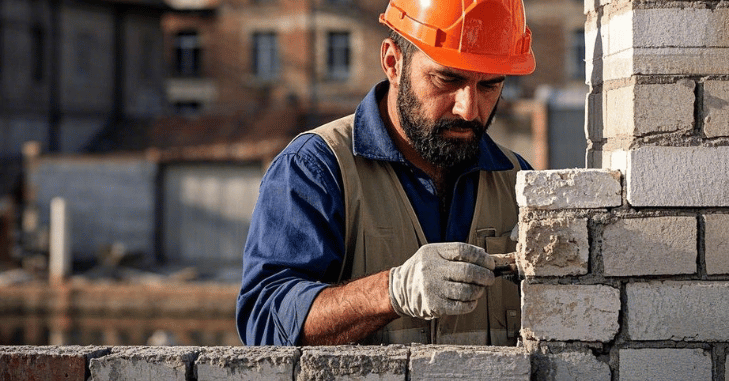
- Structural Integrity: Mortar supports the structure by bonding the bricks together. If mortar weakens or erodes, the bricks may loosen, creating gaps and increasing the risk of the wall collapsing or shifting.
- Prevents Water Infiltration: Cracked or deteriorating mortar joints allow water to seep into the brickwork, leading to mold growth, mildew, and even rot, especially in timber-framed buildings. Repointing helps to keep the building watertight, protecting it from weather-related damage.
- Improved Aesthetic Appeal: Over time, faded or cracked mortar can ruin the look of your property. Repointing restores the appearance of the brickwork, making it look fresh and well-maintained, which can enhance the property’s overall curb appeal.
- Energy Efficiency: In cases where mortar deterioration has led to drafts, repointing can help reduce heat loss and increase the home’s energy efficiency, ensuring that heating and cooling costs remain manageable.
When to Repoint Brickwork?
The frequency of repointing depends on several factors, such as the building’s age, the type of mortar used, the local climate, and the overall condition of the brickwork. However, some clear signs indicate it’s time to repoint your brickwork.
This is the most obvious sign that repointing is necessary. If the mortar is cracking, crumbling, or missing altogether, water can infiltrate the building, causing further damage. If you notice that bricks are loose or that gaps have developed between them, it’s a sign that the mortar holding them in place has degraded and needs replacing.
Damp spots, water stains, or mold growing inside your walls indicate that moisture penetrates your brickwork. Repointing can help seal these leaks and prevent future water damage. Older homes, especially those built with lime mortar, may require repointing more frequently than newer buildings with modern cement-based mortar.
How is Repointing Done?

Repointing is a skilled process that involves several steps to ensure a high-quality finish and long-lasting results. Here’s an overview of the typical repointing process. Before starting, a professional will inspect the brickwork to assess the mortar’s condition and determine the damage’s extent. This helps identify whether repointing is sufficient or other repairs are needed.
The bricks must be cleaned to remove dirt, dust, and debris from the surface. A pressure washer or wire brush is often used for this purpose. It’s important not to damage the bricks during this process. The old mortar is carefully removed to a depth of about 10 to 15 millimeters using specialized tools like a mortar rake or angle grinder. This allows for a secure bond between the fresh mortar and the brickwork.
The type of mortar used will depend on the age and style of the building. For historical properties, lime-based mortars are often used to match the original material, while modern cement-based mortars are used for newer constructions. The mortar should be mixed to the right consistency to ensure it adheres properly.
Compacting the mortar tightly into the joint is important to prevent air pockets and ensure a firm bond. The mortar is then struck off to the desired finish, depending on the desired appearance (e.g., flush, recessed, or weathered). Once the mortar has been applied, excess material is carefully cleaned off the brickwork. The repointed joints are left to cure and set, typically taking several days, depending on the weather conditions.
Types of Mortar for Repointing
The three most common types of mortar are:
- Lime Mortar: This is the traditional mortar used for older buildings, especially those built before the 20th century. Lime mortar is more breathable than cement mortar, which makes it ideal for historic buildings, as it allows moisture to evaporate without causing damage to the bricks. Lime mortar is flexible and can absorb movement in the structure without cracking.
- Cement Mortar: Cement-based mortar is used in newer buildings and is much stronger than lime mortar. However, it’s less flexible and can trap moisture inside the walls, which may lead to issues with dampness in older buildings.
- Hybrid Mortars: These mortars combine the strengths of both lime and cement, offering a balance of strength and breathability. They are used in some modern buildings and may be suitable for repointing older homes when the mortar needs to withstand heavier loads.
Benefits of Repointing Brickwork

Preservation of Historical Architecture: For older or heritage buildings, repointing ensures that the original features of the brickwork and mortar are preserved while keeping the structure sound.
New mortar gives a fresh look to the brickwork, creating a more polished and well-maintained appearance. This is especially beneficial if you’re planning to sell your property. Repointing is generally a more affordable alternative to replacing damaged brickwork. It can add years to the lifespan of your brick facade and prevent more costly repairs in the future.
Importance of Proper Curing in Repointing Brickwork
Another important but often overlooked aspect of repointing brickwork is the preparation and curing environment, which plays a major role in the long-term performance of the mortar. Before applying new mortar, it is essential to lightly dampen the surrounding brickwork to prevent the dry bricks from absorbing moisture too quickly from the fresh mix, which can weaken the bond.
Similarly, after repointing is completed, the area should be protected from direct sunlight, heavy rain, and frost during the initial curing period, as extreme weather conditions can cause cracking or improper setting of the mortar. In some cases, temporary coverings such as hessian sheets or protective sheeting are used to maintain stable conditions. Proper curing allows the mortar to reach its full strength and ensures a durable, weather-resistant finish that extends the lifespan of the brickwork.
Conclusion
Repointing brickwork is an essential maintenance task that ensures the longevity of your building’s structure, prevents water damage, and enhances its visual appeal. Whether preserving a historic property or simply maintaining your home, timely repointing can save you from costly repairs if you’re unsure whether your brickwork needs repointing.
If you want to read an interesting article about it, explore our “Roof repair” category.
FAQs
You can repoint specific damaged areas. However, repointing the entire wall may be recommended for consistent appearance and long-term durability.
Using lime mortar in repointing is eco-friendly as it allows the building to breathe and reduces the risk of moisture-related issues. Additionally, it helps preserve existing structures, reducing the need for new materials.
Absolutely. Repointing seals gaps in the mortar, preventing water infiltration and protecting the interior of the building from dampness and leaks.
While not every structure may need repointing, any brickwork with deteriorating mortar should be evaluated. Timely repointing can prevent costly repairs and maintain the building’s integrity.
Professionals use tools like chisels, grinders, mortar rakes, pointing trowels, and brushes to carry out the repointing process with precision