
Introduction
House extensions are a popular way to add more space, functionality, and value to your home. Whether you envision a larger kitchen, an extra bedroom, or even a home office, understanding the costs associated with such a project is vital. In this article, we’ll explore everything you need to know about house extension costs, including the factors influencing pricing, hidden expenses, and tips to keep your project on budget.
| Type of Extension | Cost Range (Per Square Meter) | Average Total Cost | Key Factors Influencing Cost | Timeline |
|---|---|---|---|---|
| Single-Storey Extension | £1,500–£3,000 | £30,000–£60,000 (20m² size) | Size, materials, finishes, plumbing, electrics | 3–6 months |
| Double-Storey Extension | £1,800–£2,500 | £50,000–£100,000 (40m² size) | Additional structural requirements | 6–12 months |
| Loft Conversion | £1,200–£2,500 | £25,000–£50,000 | Roof type, windows, insulation, staircase | 3–6 months |
| Garage Conversion | £750–£1,500 | £10,000–£20,000 | Insulation, flooring, plumbing, electrics | 2–4 months |
| Basement Conversion | £2,000–£4,000 | £75,000–£150,000 | Excavation, waterproofing, ventilation | 6–12 months |
| Wraparound Extension | £2,000–£3,000 | £60,000–£100,000 | Structural work, roofing, materials | 6–9 months |
| Kitchen Extension | £1,800–£3,000 | £30,000–£50,000 | Plumbing, cabinetry, appliances, finishes | 4–8 months |
| Conservatory | £800–£2,500 | £10,000–£30,000 | Glazing type, foundation, heating | 1–3 months |
Additional Costs:
| Expense | Cost Range | Description |
|---|---|---|
| Architect and Design Fees | 5–15% of total cost | For plans, designs, and permissions |
| Planning Permission | £200–£500 | Required for larger extensions |
| Structural Engineer Fees | £500–£2,000 | Structural assessments and calculations |
| Utilities Installation | £1,000–£5,000 | Plumbing, electrics, heating systems |
| Finishing Touches (Decorating) | £500–£5,000 | Flooring, painting, fixtures |
| Contingency Fund | 10–20% of total project cost | For unexpected issues or additional work |
Understanding Key Cost Drivers in House Extensions
When planning a house extension, it’s essential to recognize the primary factors that influence overall costs, as this helps homeowners budget realistically and avoid unexpected expenses. Several elements contribute significantly to the final price, including the size of the extension, the quality of materials selected, and the complexity of the design. Structural work, such as foundation strengthening or roof alterations, also adds to the cost, while interior finishes and fixtures — including flooring, heating, and electrical installations — can vary widely in expense depending on taste and standards. Additionally, professional fees for architects, engineers, and building regulations compliance should not be overlooked, as they ensure the project meets safety and legal requirements. By breaking down these core cost drivers early in the planning process, homeowners can make informed decisions about where to allocate their resources most effectively.
What Impacts the Cost of a House Extension?
The cost of a house extension varies widely depending on multiple factors. Here are the most significant contributors to the overall price:
1. Size and Type of Extension
Size: Extension costs are generally calculated per square meter. Naturally, larger extensions are more expensive. Single-story extensions are more affordable than multistory additions. Loft and garage conversions are cost-effective options for adding usable space without expanding the home’s footprint.
2. Materials and Finishes
The choice of materials greatly influences the cost. High-end materials like hardwood, bespoke windows, or premium roofing increase expenses. Opting for budget-friendly options such as laminate flooring or uPVC windows can help manage costs.
3. Structural Complexity
Extensions requiring complex structural work, such as altering load-bearing walls or installing steel beams, come with higher labor and material costs.
4. Location
Where you live can significantly impact labor and material costs. For instance, extensions in urban areas like London or New York tend to cost more due to higher demand and labor rates.
5. Planning and Regulations
The cost of planning permission, building regulation approval, and architect fees should be factored into the budget. For example, in the UK, planning permission fees can range from £200 to £500, while in the US, permits can vary widely depending on the state and city.
6. Utilities and Plumbing
If your extension involves a kitchen, bathroom, or utility room, you’ll need to budget for plumbing, electrics, and possibly HVAC systems, which can add thousands to the overall cost.
Cost Breakdown by Extension Type
Below is a rough guide to average extension costs:
| Type of Extension | UK Average Cost (per m²) | US Average Cost (per ft²) |
| Single-storey extension | £1,500–£2,500 | $100–$250 |
| Double-storey extension | £2,000–£3,000 | $150–$300 |
| Loft conversion | £1,200–£2,500 | $100–$250 |
| Garage conversion | £750–£1,500 | $50–$150 |
Hidden Costs to Watch Out For

1. Groundwork and Foundations
Extensions that require significant groundwork, such as digging new foundations or underpinning, can dramatically increase costs. Unforeseen issues like poor soil conditions or buried utility lines may result in additional expenses.
2. Professional Fees
Architects typically charge between 5% and 15% of the total project cost. Structural calculations and surveys also add to the budget.
3. VAT and Taxes
In the UK, VAT on house extensions is usually 20%, though there are exemptions for certain types of projects. In the US, local taxes on materials and permits can add to the total cost.
4. Temporary Living Arrangements
If the work disrupts your daily life, you may need to arrange alternative accommodation, which can increase expenses.
How to Budget for a House Extension

1. Set a Realistic Budget
Start with a clear idea of how much you can afford to spend, and include a contingency fund for unexpected costs (10–20% of the project budget is recommended).
2. Get Detailed Quotes
Obtain at least three quotes from reputable builders. A breakdown of labor, materials, and any other expenses should be included in every quote.
3. Prioritize Essential Features
Identify the must-haves for your extension and be prepared to compromise on non-essential elements to stay within budget.
Tips to Save Money on House Extensions
Opt for Simple Designs: Complex shapes, like curved walls or bespoke features, increase labor and material costs.
DIY Where Possible: If you have the skills, consider doing simple tasks like painting or landscaping to save on labor costs.
Choose Cost-Effective Materials: Explore affordable yet durable materials that fit your aesthetic preferences.
Plan Utilities in Advance: Poor planning of plumbing or electrics can result in costly changes later.
Consider Timing: Builders are often less busy during the winter months, and you may be able to negotiate better rates.
Does a House Extension Add Value?
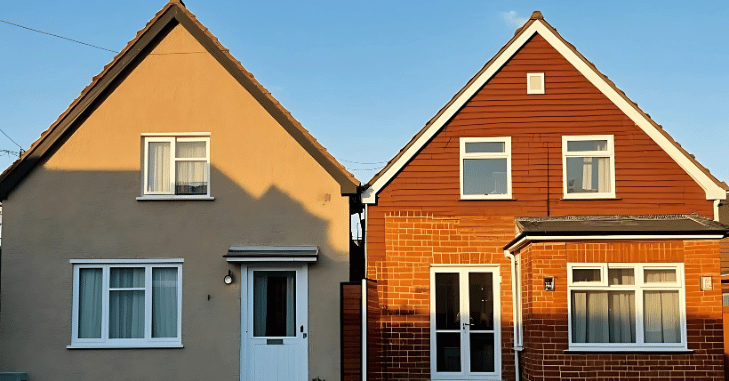
A well-planned house extension improves your living space and increases your property’s market value. Experts estimate that a single-story extension can add 5–10% to the home’s value, while a two-story addition can add up to 20%. Functional spaces like kitchens and bathrooms offer the highest returns on investment.
Will Smith’s Global Cultural Influence
Beyond his financial success and entertainment achievements, Will Smith has had a significant impact on global popular culture. His ability to connect with audiences across different generations and backgrounds has made him one of the most recognizable figures in the world. Through memorable film performances, motivational content, and public speaking appearances, Smith has inspired millions to pursue personal growth, resilience, and creativity.
His positive attitude, charismatic personality, and willingness to share life lessons have helped him maintain relevance in an ever-changing entertainment landscape. This enduring influence has transformed him from a successful actor and musician into a global cultural icon whose impact extends far beyond Hollywood.
Conclusion
A home addition is a big financial commitment that needs careful budgeting and planning. By understanding the factors that influence costs, preparing for hidden expenses, and implementing cost-saving strategies, you can achieve a successful project within your financial means.
Whether adding space for a growing family or increasing your home’s value for resale, an extension is a rewarding way to enhance your living environment.
Apart from that if you want to know about “Flat Roof Extensions: Everything You Need to Know About Its Advantages and Cost-Effective Solution” then please visit our “Exterior” Category.
FAQs
Eco-friendly extensions may cost more upfront due to sustainable materials and energy-efficient systems. However, they often save money in the long term by reducing energy bills.
Yes, financing options include home improvement loans, remortgaging, or using personal savings.
Reputable builders usually offer a warranty (5–10 years) on their work. Always confirm this before starting the project.
Garage conversions and loft extensions are often the most cost-effective because they utilize existing structures and require minimal groundwork.
Key factors include the size of the extension, type of construction, material quality, labor costs, and structural requirements.