
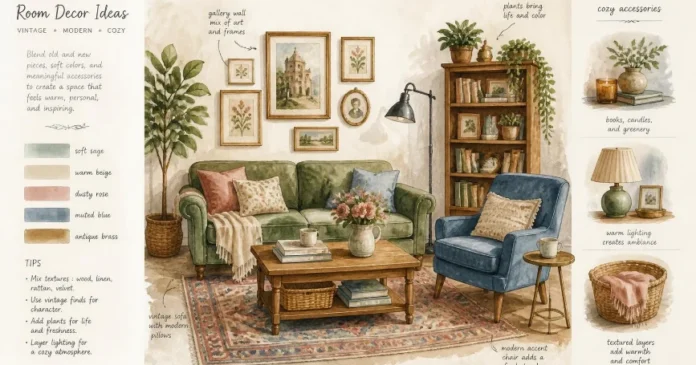
Good Room Decor Ideas should make your space attractive, comfortable, and easier to live in. You don’t need a large budget or complete renovation. Start with colour, lighting, texture, scale, and a few personal details that suit your home. Also worth reading: Pergola Ideas for UK Gardens.
British homes can present particular decorating challenges. Rooms may be compact, daylight can change quickly, and period features often affect furniture placement. These ideas help you work with those features rather than fight them. More from us: What Is an Induction Hob.
| Decorating element | Simple approach | Best result |
| Colour | Choose 2–3 main tones | A calmer, connected scheme |
| Lighting | Combine several light sources | A warmer room after dark |
| Textiles | Mix soft and natural textures | More Depth and comfort |
| Wall decor | Choose pieces at the right scale | Stronger focal points |
| Furniture | Leave clear walking routes | A room that feels larger |
| Accessories | Display fewer meaningful pieces | Less visual clutter |
Quick answer: Successful room styling starts with the room’s function, natural light, and largest furniture pieces. Choose a limited colour palette before adding lighting, textiles, artwork, plants, and smaller accessories. Keep proportions balanced and leave some space. This approach works particularly well in compact UK houses and flats.
12 Room Decor Ideas That Work in UK Homes
The strongest Room Decor Ideas aren’t built from accessories alone. They start with how you use the room each day. Once that foundation is in place, decorative choices become much easier.
1. Decide How the Room Needs to Work
Think about function before choosing paint, cushions, or artwork. A living room used for television needs different lighting from one used for reading. A bedroom needs a calm feel, useful storage, and space to move comfortably around the bed.
Write down the room’s two or three main purposes. Use those priorities to guide furniture placement and lighting. This prevents decorative purchases from getting in the way of everyday life.
2. Build a Simple Colour Palette
Choose one main colour, then add one or two supporting tones.Thenn repeat those colours through textiles, artwork, lamps, and smaller objects. This creates connection without making everything match.
Test paint colours inside the actual room before committing. British daylight can change dramatically between morning and evening. A colour that appears warm at midday may look cooler after sunset.
3. Layer Your Lighting
One ceiling fitting rarely creates a comfortable atmosphere on its own. Combine general lighting with lamps and smaller accent lights. Different heights make the room feel deeper after dark.
Warm lighting can make sitting rooms and bedrooms feel more relaxed. DecoHome’s guide to layering living room lighting explains how ceiling, task, and accent lighting can work together. Separate controls also give you more flexibility throughout the day.
4. Use Texture to Add Depth
Texture helps a simple colour scheme avoid looking flat. Consider wool, cotton, linen, timber, ceramic, glass, or woven materials. You don’t need every texture in one space.
Instead, repeat two or three materials across the room. A linen curtain might connect with textured cushions and a woven basket. DecoHome’s guide to choosing fabrics across your home offers more ideas for creating that connection.
5. Choose a Clear Focal Point
Most rooms benefit from one visual feature that catches your attention first. This might be a fireplace, large artwork, statement headboard, or attractive window. Let smaller decorative choices support that feature.
Avoid making every surface compete for attention. Several strong colours and patterns can make a small room feel busy. Giving one feature priority usually creates a calmer result.
6. Decorate Walls at the Right Scale
Tiny artwork can look lost above a wide sofa or large bed. Equally, oversized pieces can overwhelm narrow walls. Consider the furniture beneath the artwork when choosing its dimensions.
Gallery walls can work well when the frames share a connection. That link might come from colour, frame material, subject, or spacing. Plan the arrangement on the floor before making holes in the wall.
7. Make Small Rooms Feel Less Crowded
Compact rooms don’t always need tiny furniture. Too many small pieces can create more visual clutter than several well-proportioned items. Measure the room and major furniture before buying anything new.
Keep important walking routes clear and avoid blocking windows. Furniture with visible legs can expose more flooring and create a lighter appearance. Mirrors can also help move daylight around darker areas.
8. Give Bedrooms a Calmer Feel
Bedroom decorating should support rest as well as appearance. Keep the area around the bed comfortable and avoid filling every surface with decorative objects. Softer lighting can also help create a quieter evening atmosphere.
Use bedding to introduce colour without committing to permanent changes. Curtains, cushions, and a throw can add texture while keeping the scheme flexible. For more ideas, see DecoHome’s calm bedroom setup guide.
9. Mix New Pieces With Personal Items
Rooms can feel impersonal when every item comes from one collection. Combine newer furniture with books, photographs, inherited pieces, travel finds, or second-hand objects. These details make a home feel collected, not staged.
You don’t need to display everything at once. Rotate smaller objects when you want a change. This gives existing possessions new attention without requiring another shopping trip.
10. Use Soft Furnishings for Affordable Changes
Cushions, throws, curtains, and rugs can alter a room without major building work. They introduce colour and texture while making hard surfaces feel softer. They’re also easier to change than furniture.
Start with one textile that contains several colours you like. Pull two shades from that piece for other details around the room. This gives the scheme a simple visual thread.
11. Style Surfaces Without Filling Them
Shelves, coffee tables, and sideboards need breathing space. Grouping a few objects often looks stronger than spreading many small items across every surface. Vary their heights to create visual interest.
Try combining something vertical, something lower, and one softer or organic element. Books, a ceramic piece, and a plant can make an easy group. Leave some surrounding space so each item remains visible.
12. Improve the Details Before Replacing Everything
A room can look more polished without replacing its main furniture. Changing lampshades, handles, frames, curtains, or cushions can shift the overall mood. Better placement can sometimes make an even bigger difference.
Look at what already works before shopping. DecoHome’s guide to upgrading an interior for a more luxurious feel explores how materials, layout, and considered details can improve a space. This approach can also reduce unnecessary purchases.
Room Decor Choices by Space
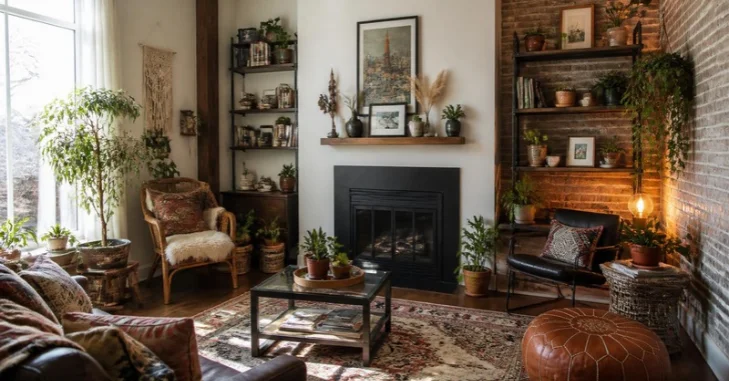
| Room | Prioritise | Easy decorative additions | Common mistake |
| Living room | Layout and layered lighting | Rugs, lamps, cushions, artwork | Pushing everything against walls |
| Bedroom | Comfort and calm | Bedding, curtains, bedside lamps | Adding too many decorative pieces |
| Dining room | Table area and lighting | Centrepiece, art, textiles | Using only overhead lighting |
| Home office | Focus and storage | Task lamp, plant, framed print | Decorating before organising |
| Hallway | Clear movement | Mirror, runner, wall art | Using oversized furniture |
Don’t copy the same decorating formula into every room. A bedroom benefits from visual calm, while a sitting room can handle more contrast. Let each space’s purpose determine how much colour and decoration it needs.
You can still create consistency throughout the home. Repeat selected colours, woods, metals, or fabrics in different ways. The result feels connected without making every room identical.
How to Make Room Decor Look More Expensive
Expensive-looking interiors usually depend on proportion and editing, not price alone. Correctly sized curtains, artwork, rugs, and lamps make a stronger impression than numerous small accessories. Consistent finishes also help a room look considered.
Pay attention to where curtains finish and how artwork relates to nearby furniture. Hide loose cables where practical and replace damaged or mismatched small fittings. These details cost less than replacing major furniture but can noticeably improve the finished room.
Natural-looking materials can also add warmth. Wood, stone, linen, wool, and ceramic surfaces provide subtle variation. Carefully mixing several finishes can keep neutral rooms from feeling plain.
Common Decorating Mistakes to Avoid
Buying accessories before planning the room can quickly create clutter. Another common problem is choosing furniture without checking its dimensions first. Measuring the room prevents expensive mistakes and improves circulation.
Avoid matching every furniture piece too closely. Current decorating advice increasingly favours more collected combinations over complete matching sets. A consistent palette can hold different furniture styles together.
Don’t overlook lighting, either. A well-styled room can still feel uncomfortable under one harsh ceiling light. Several controllable light sources give you more options for different activities.
Room Decor on a Budget
Start by rearranging what you already own. Moving furniture, swapping accessories between rooms, or restyling shelves costs nothing. These changes can reveal what the space genuinely needs.
Next, spend where scale makes the greatest difference. A correctly sized rug or pair of curtains may have more impact than several decorative objects. Second-hand furniture can also introduce character at a lower cost.
Paint remains useful when you want a larger visual change. You don’t need to repaint every wall to make a difference. Woodwork, shelving, or one carefully chosen area can provide enough contrast.
Create a Room That Feels Personal
A successful interior doesn’t need to copy a showroom or social-media photograph. It needs to support your routines while reflecting colours, materials, and objects you enjoy. Building the room gradually also gives you time to make better choices.
Start with function, then settle the palette, furniture placement, lighting, and textiles. Add artwork and personal objects once those foundations feel right. Browse more interior design ideas from DecoHome when you’re ready to plan your next update.
Frequently Asked Questions About Room Decor
How do I choose room decor?
Start with the room’s function, existing furniture, natural light, and a limited colour palette. Add lighting and textiles before buying many small accessories. This creates a clearer foundation and reduces impulse purchases.
How can I make a room look stylish on a small budget?
Rearrange furniture and remove unnecessary objects before spending money. Then focus on paint, textiles, lighting, and second-hand pieces. A few correctly sized items usually look better than many inexpensive accessories.
What makes a room look cosy?
Warm lighting, soft textiles, comfortable seating, and layered textures can make rooms feel cosier. Furniture placement matters too, especially in larger or open spaces. Rugs can help connect seating and define a comfortable zone.
How do I decorate a small UK room?
Measure first and protect clear routes through the space. Use storage carefully and avoid filling every wall or surface. Choose furniture according to the room’s proportions rather than assuming every item must be miniature.
What room decor should I buy first?
Start with items that affect both comfort and appearance. Lighting, curtains, rugs, and useful furniture usually deserve priority over small ornaments. Add decorative accessories once the larger pieces work together.