

Introduction
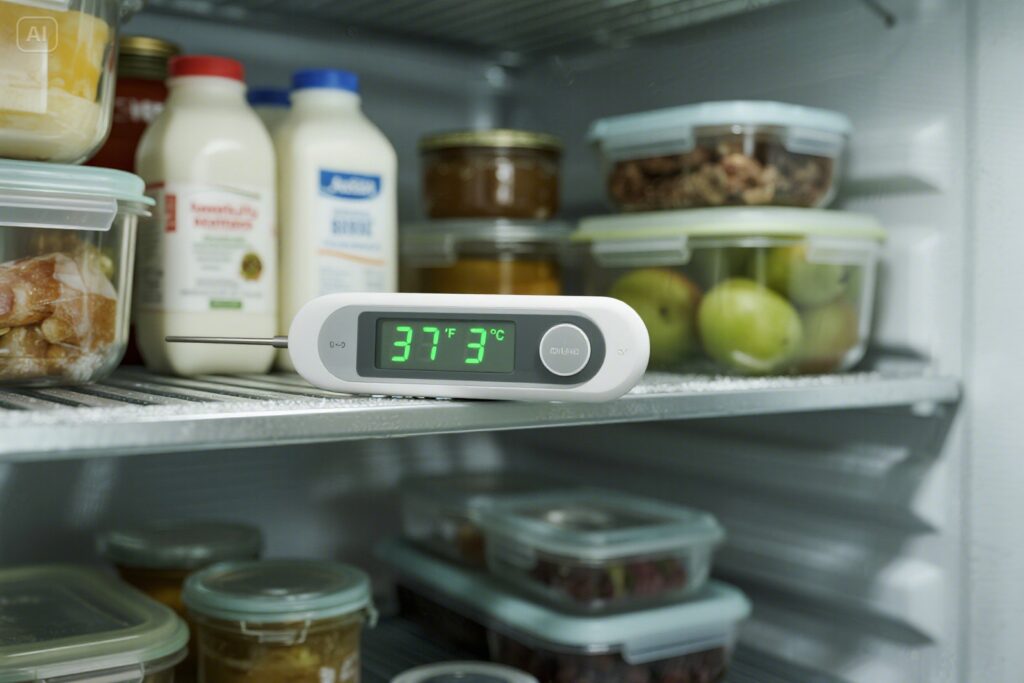
Knowing how cold should a fridge be is key to keeping your food safe and fresh. The ideal temperature is 37°F (3°C)—cold enough to slow bacteria without freezing your groceries. Temperatures above 40°F (4°C) allow harmful bacteria to grow, while temperatures below 32°F (0°C) can cause items to freeze unnecessarily.
This guide explains how to check your fridge’s temperature, prevent common issues such as poor airflow and faulty seals, and set the correct freezer temperature at 0°F (-18°C). Understanding the coldness of a fridge helps improve food safety, reduce waste, and ensure your refrigerator works efficiently every day.
| Basics | Key Point |
| Ideal Temperature | Set fridge to 37°F (3°C). |
| Safe Limit | Never exceed 40°F (4°C). |
| Freezing Point | Avoid going below 32°F (0°C). |
| Bacteria Control | Cold slows the growth of harmful bacteria. |
| Health Safety | Proper temperature prevents foodborne illness. |
| Temperature Check | Use a thermometer for accuracy. |
| Best Placement | Place the thermometer on the middle shelf. |
| Wait Time | Check the temp after 24 hours. |
| Overloading | Too much food blocks airflow. |
| Door Issues | Weak seals leak cold air. |
| Freezer Setting | Keep freezer at 0°F (-18°C). |
| Freezer Airflow | Don’t overfill the freezer. |
| Dial Settings | Higher numbers = colder temps. |
| Food Placement | Raw food at the bottom, produce in drawers. |
| Separation | Keep raw and cooked foods apart. |
| Basic Maintenance | Keep food cool before storing and clean regularly. |
How Cold Should a Fridge Be? The Ideal Temperature
The ideal refrigerator temperature is 37°F (3°C). This setting is cold enough to prevent the growth of harmful bacteria, but not so cold that your fresh produce or drinks freeze. Your fridge should never exceed 40°F (4°C), which is the maximum safe temperature limit. Below 32°F (0°C), items can begin to freeze. Setting the fridge to that ideal range ensures the best balance of safety and freshness. This answers the question many ask: how cold should a fridge be?

Importance of Proper Fridge Temperature
- Maintaining the correct temperature inside your fridge is essential for food safety.
- When perishable foods are stored above 40°F (4°C), bacteria such as Salmonella and Listeria can proliferate, increasing the risk of foodborne illness.
- Cooler temperatures slow this growth significantly.
- That’s why knowing the coldness of a fridge isn’t just about convenience—it’s a critical step in protecting your health and that of your family.
Methods to Measure Fridge Temperature
Although the majority of contemporary refrigerators include built-in temperature screens, these aren’t always reliable. The best way to ensure your fridge is set correctly is by using a refrigerator thermometer. Please place it in the center of the middle shelf, away from vents or doors, and check it after 24 hours. This method provides a precise and reliable reading of the coldness of fridges based on real conditions inside your appliance.
Maintaining the Right Refrigerator Temperature
Keeping your refrigerator at the correct temperature is essential for preserving food quality and ensuring kitchen safety. A stable setting around 37°F (3°C) helps slow down bacterial growth while maintaining the freshness, texture, and nutritional value of stored items. Proper airflow inside the fridge also plays an important role, as overcrowding can lead to uneven cooling and spoilage. Regularly checking the temperature and adjusting settings when needed ensures the appliance works efficiently, reduces energy waste, and keeps food safe for longer periods.
Common Causes of Temperature Issues
Many fridges fail to maintain the proper temperature due to common mistakes. These include overstuffing shelves, which blocks airflow, or leaving the door open too long, which lets warm air in. A malfunctioning door seal that lets chilly air out is another problem. Addressing these minor issues can help your fridge maintain the ideal temperature and prevent food spoilage. Fixing them ensures your fridge stays within the safe range of how cold should a fridge be.

Recommended Freezer Settings
The freezer works in conjunction with your fridge to keep food safe for longer periods. It should be kept at 0°F (-18°C) or colder. At this temperature, bacterial growth is halted, and the food remains frozen solid. Make sure air can circulate and avoid overloading the freezer. While the primary focus is on how cold should a fridge be, maintaining your freezer temperature is equally important to food safety in your kitchen.
Adjusting the Temperature Settings
Many refrigerators use a number dial instead of exact temperature readings. In most cases, higher numbers mean colder temperatures, but it’s always best to check the user manual. After making adjustments, wait a full day before rechecking the thermometer. Fine-tuning your fridge settings ensures your food remains fresh, and you won’t need to guess the coldness of a fridge be again once it’s set correctly.

Storing Different Types of Food
Knowing how cold a fridge should be also helps with better food organization. Meat, dairy, and seafood require the most frigid areas, usually at the bottom. Leftovers and drinks can be placed in the middle, while fresh produce goes in humidity-controlled drawers. Keeping raw and cooked items separate also prevents cross-contamination. Proper storage improves food safety and makes your fridge more efficient overall, especially when paired with the correct temperature setting.
Helpful Fridge Maintenance Tips
- Keeping your fridge in top condition also helps maintain the right temperature.
- Clean the shelves and drawers regularly to prevent odor or mold.
- Don’t pack the fridge too tightly, as good airflow is needed.
- Organize your items to allow easy access and reduce door-opening time.
- These simple habits help your fridge run more efficiently every day.
Conclusion
Maintaining the correct temperature is vital, and knowing how cold should a fridge be ensures your food stays fresh and safe. Keeping your fridge at around 37°F (3°C) prevents bacterial growth while avoiding the risk of freezing. Proper temperature control, combined with good storage and regular maintenance, helps protect your health and extend the life of your food. Understanding how cold should a fridge be enables you to make smarter choices for a safer, more efficient kitchen every day.
Want to know about “The Ultimate Smart Oven Air Fryer Guide: Features, Benefits, and Why It’s a Must-Have Kitchen Upgrade” Check out our “Home appliances” category.
FAQs
Understanding the ideal fridge temperature helps prevent bacterial growth, keeps food fresh longer, and reduces the risk of foodborne illnesses, ensuring safe and efficient storage.
The safest refrigerator temperature is between 37°F (3°C) and 40°F (4°C), which balances the need to keep food fresh without freezing or encouraging the growth of harmful bacteria.
Use a reliable refrigerator thermometer placed in the middle shelf, away from vents or doors, and check it after 24 hours for an accurate reading.