
Introduction
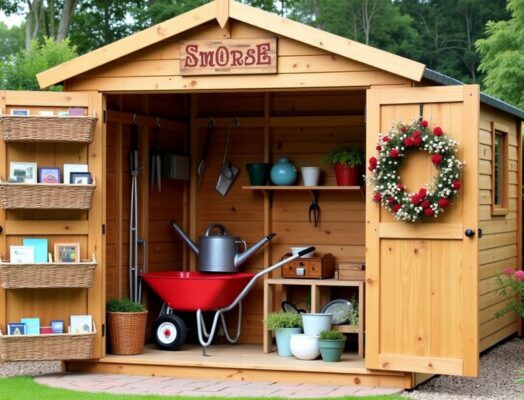
A garden shed is more than just a storage unit; it’s a gateway to an organized, clutter-free lifestyle. Whether you’re a gardener, a DIY enthusiast, or need a space to store seasonal items, implementing effective shed storage ideas can be a game-changer.
However, many homeowners overlook their sheds’ potential, making them a chaotic catch-all for tools, equipment, and forgotten items. Sheds can be a sanctuary for tools, gardening supplies, outdoor equipment, and seasonal items. However, without proper organization, they can quickly become cluttered and chaotic.
With creativity and planning, you can transform your shed into a functional, tidy space that serves your needs and inspires productivity.
Effective shed storage is not just about fitting more items into a small space—it’s about creating a system that makes everything easy to find, use, and maintain over time. By combining smart storage solutions like vertical shelving, labeled containers, and dedicated zones, you can significantly improve both functionality and accessibility inside your shed.
A well-planned layout also reduces clutter buildup in the long run, helping you maintain a cleaner, safer, and more efficient outdoor workspace throughout the year.
| Aspect | Details |
| Purpose | Transforming sheds into functional, organized spaces |
| Primary Challenges | Clutter, lack of accessibility, and underutilized space |
| Solutions Covered | Vertical storage, overhead storage, multipurpose furniture, and more |
| Benefits | Maximized space, improved safety, enhanced accessibility |
| Target Audience | Gardeners, DIY enthusiasts, and homeowners |
| Additional Insights | Maintenance tips, decorative touches, and FAQs |
The Importance of Shed Organization
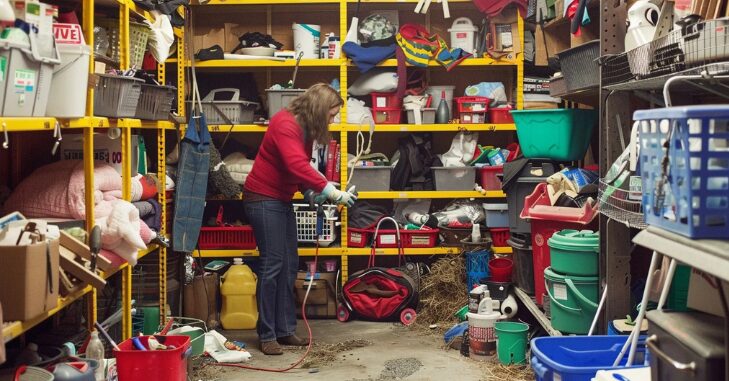
A cluttered shed can make it difficult to find what you need, increase the risk of accidents, and even damage valuable tools and equipment. Proper shed organization offers several benefits:
- Efficiency: An organized shed saves time by making tools and items easy to locate.
- Safety: Storing sharp tools and hazardous materials securely reduces the risk of accidents.
- Durability: Proper storage extends the life of your tools and equipment by protecting them from damage.
- Aesthetic Appeal: A clean and tidy shed enhances the overall appearance of your backyard.
Creative Shed Storage Ideas
1. Utilize Vertical Space
Maximizing vertical space is one of the most effective ways to increase storage in your shed. Use the walls and even the ceiling to store items:
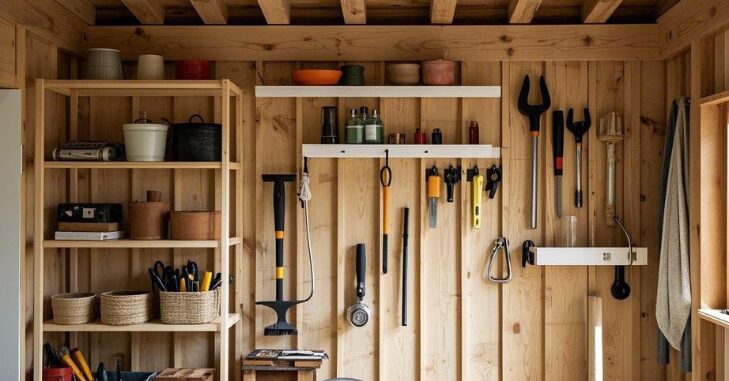
- Wall Hooks and Pegboards: Install hooks or a pegboard to hang frequently used tools like shovels, rakes, and hammers. Pegboards are versatile and allow you to rearrange tools as needed.
- Magnetic Strips: Perfect for small metal tools like screwdrivers, pliers, and wrenches.
- Shelving Units: Add sturdy shelves to hold paint cans, pots, and other items that must be stored off the floor.

2. Install Overhead Storage
Ceiling storage is ideal for items you don’t use daily, such as seasonal decorations or camping gear. Use overhead racks or hang storage bins from the ceiling to free up floor and wall space.
3. Add Storage Bins and Containers
Clear, labeled bins make it easy to identify and access items. Use stackable containers to maximize space and protect items from dust and moisture. Group similar items together, such as gardening supplies or power tool accessories.
4. Incorporate Multipurpose Furniture
Combine functionality and storage with multipurpose furniture:
- Workbench with Storage: Opt for a workbench with built-in drawers or shelves.
- Storage Benches: Use benches with hidden compartments to store less frequently used items.
5. Create a Tool Storage Wall
Dedicate one wall of your shed to tool storage. Install shelves, pegboards, and magnetic strips to keep all your tools organized and within reach. Group tools by type to make finding them even easier.
Specific Storage Solutions for Common Items
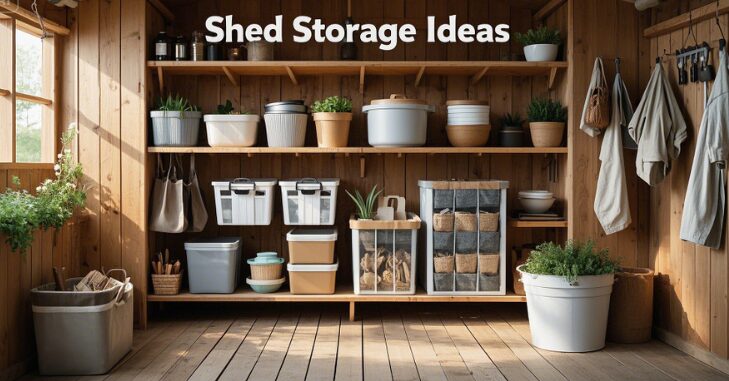
When organizing specific items, a targeted approach can make all the difference. Here’s how to store some of the most common items found in sheds:
Garden Tools
Long-handled tools like shovels and rakes should be hung on sturdy wall hooks to save space and prevent them from falling over. For smaller tools, consider filling a bucket with sand to keep them sharp and rust-free while providing easy access.
Power Tools
Dedicate a specific shelf or cabinet for power tools, ensuring they are stored neatly and safely. Keep cords organized and untangled using Velcro straps or cord reels to prevent damage and save time.
Paints and Chemicals
These items should always be stored in a ventilated cabinet to prevent dangerous fume accumulation. Ensure all containers are tightly sealed and clearly labeled to avoid accidental misuse.
Outdoor Equipment
Bicycles, hoses, and ladders can be hung on heavy-duty wall hooks to keep them off the ground and easily accessible. Sports equipment like balls and bats can be stored in a freestanding rack or labeled bins for quick retrieval.
Enhancing Accessibility
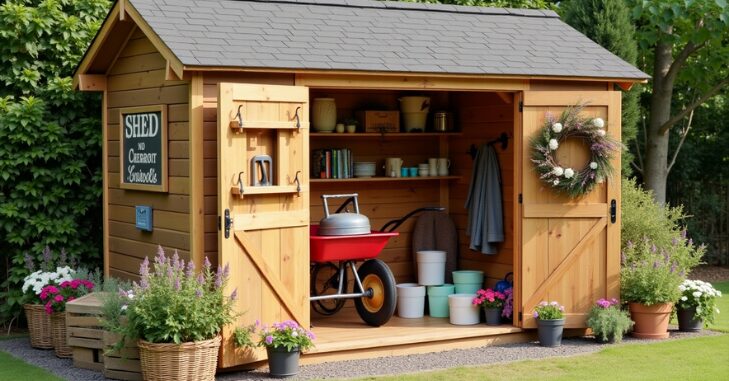
An organized shed is only as good as its accessibility. Here are some tips to ensure you can quickly find and retrieve what you need:
- Label Everything: Use clear labels on bins, shelves, and drawers to make locating items a breeze.
- Create Zones: Divide your shed into zones based on activities (e.g., gardening, DIY, outdoor sports) and store related items together.
- Keep Frequently Used Items at Eye Level: Store the items you use most often where they’re easiest to reach.
- Add Lighting: Good lighting ensures you can see everything clearly, even in the corners of your shed.
Decorative Touches for Your Shed
Who says a shed can’t be stylish? Add a touch of personality to your storage space with these ideas:
- Paint or Stain the Interior: A fresh coat of paint or stain can brighten your shed and protect the wood.
- Decorative Hooks and Knobs: Choose stylish hooks and knobs to add a decorative element.
- Add a Chalkboard or Whiteboard: Use it to jot down to-do lists, measurements, or reminders.
Maintenance Tips for a Clutter-Free Shed
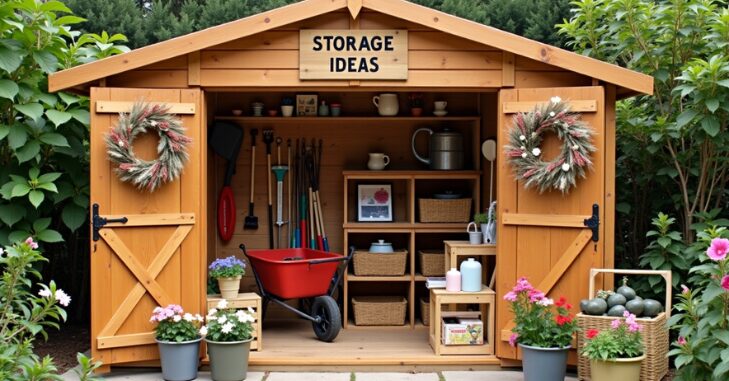
Keeping your shed organized is an ongoing process. Follow these maintenance tips:
- Declutter Regularly: Go through your shed at least once a season to remove items you no longer need.
- Clean Spills Immediately: Prevent stains and damage by cleaning up spills as soon as they happen.
- Inspect for Pests: Regularly check for signs of pests like rodents or insects and take action if needed.
- Rotate Seasonal Items: Store off-season items in less accessible areas and keep frequently used items within reach.
Protecting Your Shed from Moisture and Weather Damage
One crucial aspect of shed organization that is often overlooked is moisture control. Excess humidity can lead to rusted tools, warped wood, mold growth, and unpleasant odors. To prevent this, consider installing proper ventilation such as small vents or a solar-powered exhaust fan to improve airflow.
Using moisture absorbers or silica gel packs inside cabinets can also help protect sensitive items like power tools and metal equipment. Additionally, storing items slightly off the floor on pallets or raised shelving prevents water damage in case of minor leaks or flooding. By proactively managing moisture, you not only keep your shed organized but also preserve the condition and longevity of everything stored inside.
Conclusion
A well-organized shed is the cornerstone of a clutter-free lifestyle. By implementing the creative storage ideas outlined in this guide, you can maximize space, enhance accessibility, and transform your shed into a functional and inspiring space.
A little planning goes a long way, whether you’re storing gardening tools, outdoor equipment, or DIY supplies. Start today and enjoy the satisfaction of a tidy, efficient, and visually appealing shed.
Apart from that if you want to know about “Front Door Design: Creating the Perfect First Impression and Design Trends in Front Doors” then please visit our “Interior design” Category.
FAQs
Use vertical and overhead storage, install fold-down furniture, and choose stackable bins to maximize limited space.
Durable materials like metal, plastic, and treated wood are ideal for withstanding moisture and temperature changes.
Seal gaps or cracks, store food items in airtight containers, and use natural repellents like cedar blocks or peppermint oil.
Absolutely! Your shed can double as a workspace, potting area, or cozy retreat with proper organization.