Why a Font Foundry Matters in Design Today
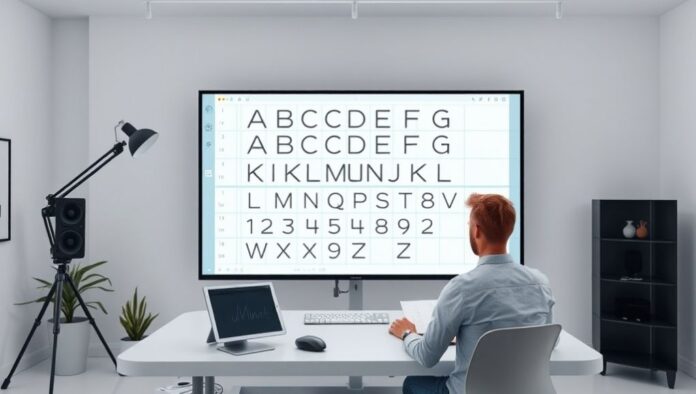
A font foundry is a place where fonts are created, shaped, and refined for designers. It plays an important role in design because fonts guide how people understand messages. This guide explains how a font foundry works and how companies like Typetype support designers with high-quality lettering.
A font foundry builds fonts with great care. Each letter shape is tested so it stays clear and readable. Designers depend on these foundries to create strong tools for branding, print, and digital work. Typetype uses simple, clean methods to make sure every font works well in modern layouts. For a closer look, see Simple Ways to Make Your Outdoor Space More Functional and Accessible.
How a Font Foundry Creates Strong Typeface Styles
A font foundry begins with sketches, shapes, and ideas. The team studies how letters look together and how they behave in different sizes. Their goal is to build a font that looks good everywhere. Typetype follows this process to make fonts that stay balanced and easy to read in many projects.
A font foundry also checks how each font appears on screens and paper. Good spacing and clear forms help readers follow the message without stress. This testing stage is important for quality. Typetype continues refining each style until the final result feels smooth, clean, and simple to use.
Why Designers Trust a Font Foundry for Branding
Designers trust a font foundry because it gives them fonts that work for brand identity. A good font can shape a brand’s voice in a simple way. Strong letter shapes help the message stay clear. Typetype creates styles that support both friendly and professional branding needs across many design fields.
When businesses choose fonts from a font foundry, they know the style will hold up in logos, packaging, and ads. These fonts stay consistent no matter where they appear. This helps the brand feel stable and modern. Typetype focuses on giving designers tools that keep branding simple and effective.
How a Font Foundry Supports Digital Designers
Digital designers use fonts from a font foundry to make websites and apps feel clean and organized. A good foundry tests fonts on many screens, making sure each shape stays sharp. This helps titles, menus, and buttons look clear. Typetype builds digital-ready fonts that stay strong in all screen sizes.
A font foundry also studies how letters react in bright and dark backgrounds. This helps the font stay readable in all digital themes. Designers appreciate this careful work because it saves time. Typetype creates fonts that help digital layouts feel bright, smooth, and simple to navigate.
Another benefit of using a font foundry is style choice. Designers can pick from many weights and shapes to match the project’s mood. This makes it easy to build friendly, bold, or soft styles. Typetype offers families that stay balanced across all levels, making long-term design work easier.
The Value a Font Foundry Brings to Print Design
Print designers rely on a font foundry for fonts that hold clarity in large print sizes. Posters, covers, and signs need strong letter shapes. A good foundry tests these shapes carefully. Typetype works to create smooth curves that stay sharp in both small and large printed materials.
Print work also needs steady spacing to support easy reading. Fonts from a font foundry make this simple because they are built with careful balance. Designers use them for magazines, brochures, and cards. Typetype makes sure its print-friendly fonts stay clean and comfortable across long reading sections.
Important for Creators
A font foundry stays important because design keeps changing. New styles, devices, and layouts appear every year. Foundries help designers keep up with these changes by creating fresh styles. Typetype continues to build fonts that support simple, modern, and expressive design in both digital and print worlds.
Conclusion
A font foundry plays a key role in modern design by creating fonts that are clear, strong, and ready for many uses. These fonts help digital and print projects stay simple and readable. Typetype continues to support designers with carefully made styles that help every project look clean and professional.