Introduction
Baseboard trim may seem like a small detail in your home’s interior design, but its impact on the overall aesthetic is substantial. Whether renovating an older home or putting the finishing touches on a new build, thoughtful baseboard trim ideas can add polish, elegance, and cohesion to any room.
It bridges the gap between the wall and the floor, providing a clean finish while enhancing the architectural details of your space. With the right baseboard trim ideas, you can elevate every room in your home, adding style and character.
From traditional molding to contemporary flush designs, the right baseboard can be a subtle but striking architectural element. In this guide, we’ll explore a variety of baseboard trim ideas to suit every taste and space, helping you turn simple walls into stylish statements.
| Baseboard Trim Style | Design Features | Best For | Room Suitability | Cost Estimate (per linear foot) |
| Traditional Colonial | Decorative profiles, curved edges | Classic and historic homes | Living rooms, dining rooms | $1.50 – $3.00 |
| Modern Minimalist | Straight lines, flat profiles | Contemporary and modern interiors | Bedrooms, offices | $1.00 – $2.50 |
| Craftsman Style | Simple but bold, square edges | Arts & Crafts or rustic aesthetics | Kitchens, entryways | $1.75 – $3.50 |
| Tall Baseboards | 5–8 inches in height, makes a dramatic impact | High-ceiling spaces | Hallways, master bedrooms | $2.50 – $5.00 |
| Beadboard Baseboards | Textured with vertical grooves | Cottage and coastal designs | Bathrooms, mudrooms | $1.80 – $3.20 |
| MDF Painted Trim | Libraries, dens, and formal areas | Budget-friendly modern look | Rental units, basements | $0.80 – $1.50 |
| Wood Stained Trim | Natural wood grains, rich finishes | Traditional, rustic, or farmhouse | Libraries, densand , and formal areas | $2.00 – $4.50 |
Why Baseboard Trim Matters
Baseboards do more than cover the joint between the wall and the floor. They offer:
- Visual Framing: They create a finished look by framing the room.
- Wall Protection: They shield the base of walls from scuffs, bumps, and furniture scratches.
- Style Statement: They become an aesthetic focal point with the right design.
Popular Baseboard Trim Ideas
1. Classic Colonial Trim
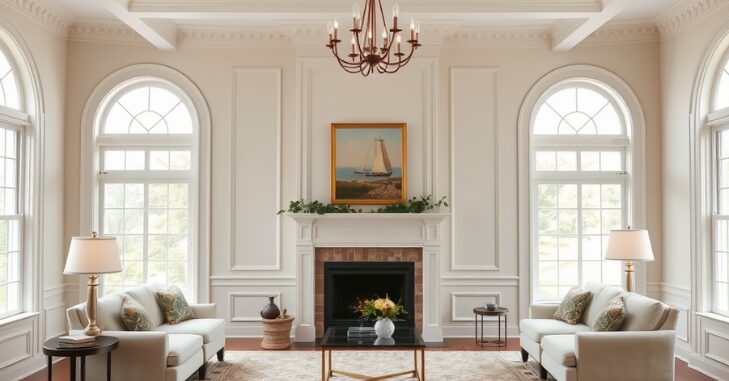
One of the most popular baseboard styles, colonial trim features a simple yet elegant curve and works well in traditional homes. It’s typically between 3 and 5 inches tall and is often paired with matching crown molding.
2. Modern Minimalist Trim
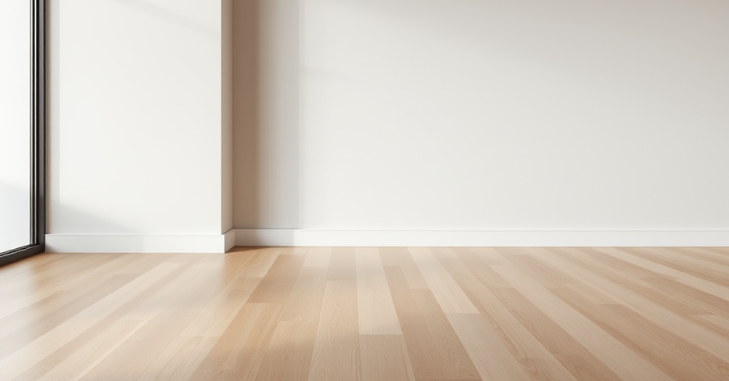
A flush baseboard that aligns seamlessly with the wall for modern homes can create a clean, unobtrusive look. These trim pieces often lack decorative elements and have squared-off edges.
3. Farmhouse Style Trim
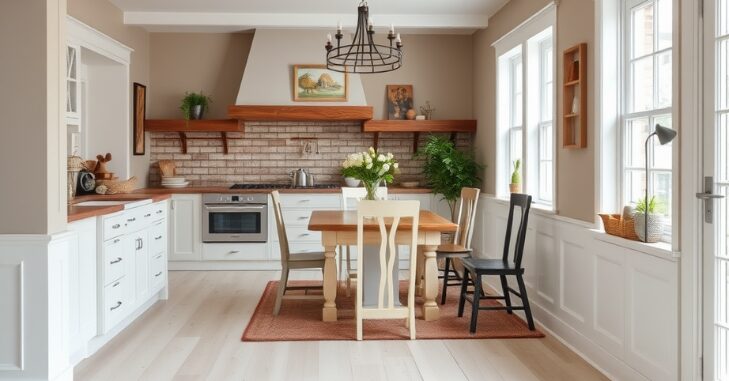
A favorite in rustic and cozy settings, farmhouse baseboards are typically wider (5-7 inches), flat, and painted white to contrast against neutral or colorful walls.
4. Tall Statement Baseboards
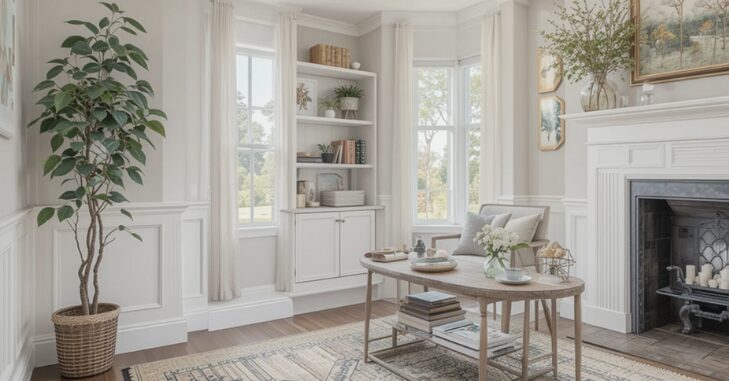
High baseboards, often up to 8 inches or more, make a bold design statement. They’re ideal for homes with high ceilings, helping to balance the room’s proportions.
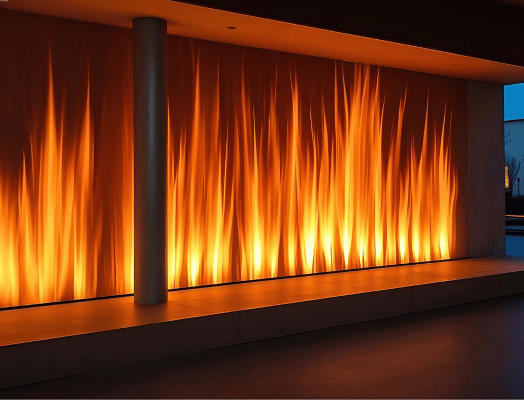
5. Baseboards with Integrated Lighting
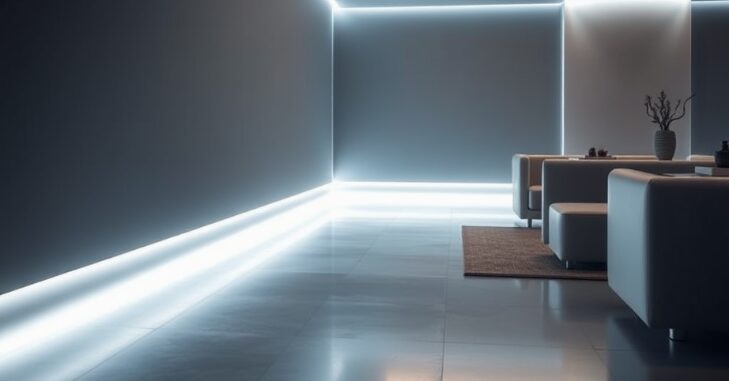
A more recent innovation, some designers incorporate LED lighting into baseboards for a subtle, ambient glow that’s both practical and stylish.
Choosing the Right Material for Baseboard Trim
The material you choose affects both the look and durability of your baseboards. Options include:
- MDF (Medium Density Fiberboard): Affordable and easy to paint, but not moisture-resistant.
- Hardwood: Durable and elegant, ideal for stained finishes.
- PVC: Great for bathrooms or basements due to water resistance.
- Pine: A budget-friendly wood option that can be painted or stained.
Baseboard Trim Ideas for Different Rooms
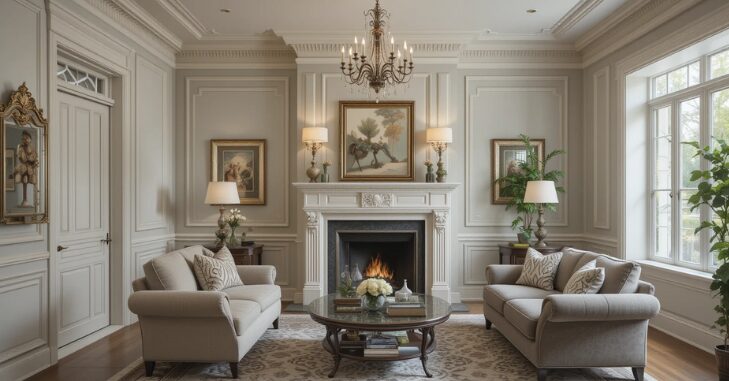
Living Room
Opt for decorative trim with intricate profiles that elevate the room’s elegance. Pair it with crown molding for a cohesive look.
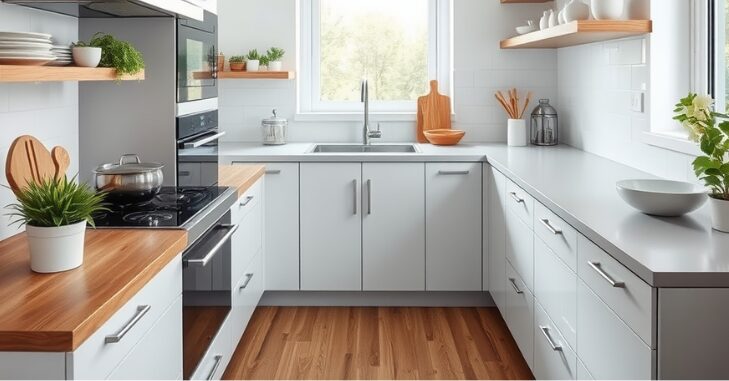
Kitchen
Choose water-resistant materials like PVC or sealed hardwood. Keep designs simple to avoid dust traps.
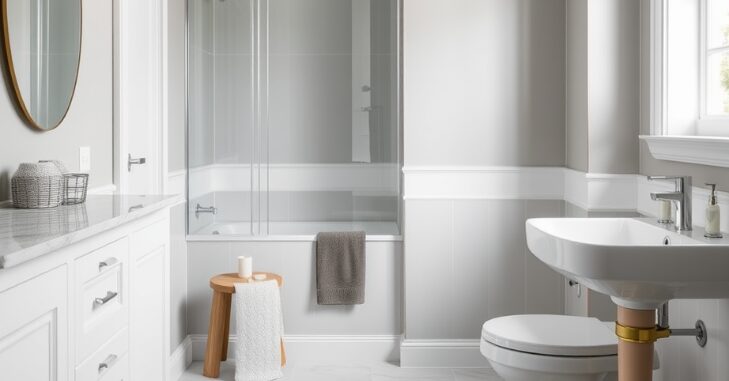
Bathroom
Again, moisture resistance is key. Choose vinyl or PVC trims, and consider caulking the edges for extra protection.
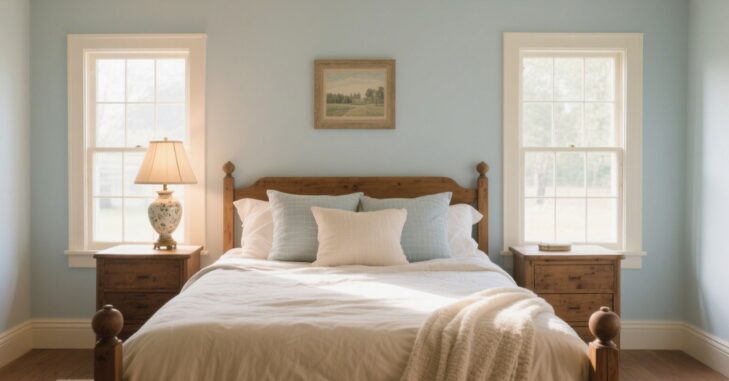
Bedroom
Go for cozy and charming. Farmhouse or colonial styles painted in soothing tones create a restful ambiance.
Hallways
Since these areas are often high-traffic, consider taller, more durable baseboards that withstand wear and tear.
How to Incorporate “Baseboard Trim Ideas” into Modern Designs
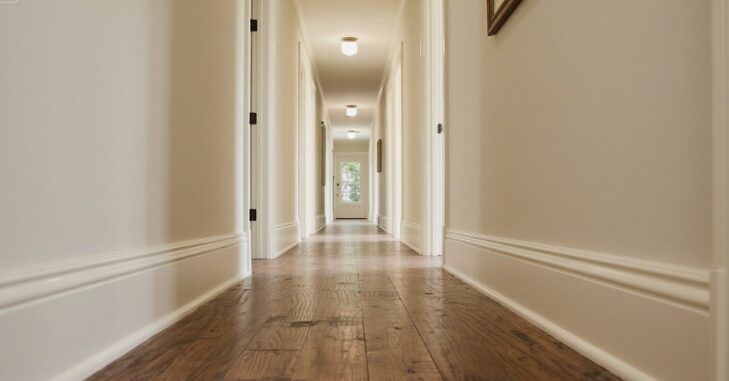
Incorporating baseboard trim ideas into modern home design requires carefully balancing function and style. Opt for sleek, low-profile baseboards in modern or contemporary interiors that blend seamlessly with the wall. Use colors that match the wall for a unified look or a contrasting hue to make the baseboard stand out.
Floating baseboards and LED-lit options are also trending for minimalist homes. These modern adaptations provide subtle drama without overwhelming the clean lines typically found in contemporary spaces. To enhance utility and elegance, consider smart integration with floor heating systems or built-in cable channels.
Creative Accent Techniques for Baseboard Trim
Beyond traditional paint and stain, baseboard trims can be customized with accent techniques to elevate the room’s design. For example, adding a subtle metallic or contrasting color stripe along the top edge of the baseboard can create visual interest without overwhelming the space.
Another approach is using layered molding, where a smaller decorative profile is applied atop a standard baseboard to give a three-dimensional effect. These techniques work well in both modern and classic interiors, allowing homeowners to inject personality into a typically overlooked architectural element. Additionally, pairing accent trims with coordinating door casings or crown molding can create a harmonious and polished look throughout the room.
Comparison of Popular Baseboard Trim Styles
| Style | Height Range | Ideal For | Pros | Cons |
| Colonial | 1”–3″ | Traditional interiors | Elegant, easy to find, timeless | Less impact in high-ceiling spaces |
| Modern Minimalist | 5”–7″ | Contemporary homes | Clean lines, blends with walls | Not a strong visual statement |
| Farmhouse | 6”–10″ | Rustic, country-style homes | Wide and simple, charming feel | May overpower small rooms |
| Tall Statement | ””–10” | High-ceiling rooms | Grand appearance, dramatic finish | Expensive, tricky to install |
| Integrated Lighting | Varies | High-tech modern homes | Dual function, elegant ambiance | Costly and requires professional help |
Installation Tips
- Measure Carefully: Ensure uniform height throughout the room.
- Use a Miter Saw: For clean corner cuts, especially for ornate designs.
- Prep Walls and Floors: Smooth out imperfections before installation.
- Paint or Stain Before Installation: Touch-ups are more effortless when the trim is coated.
- Caulk Gaps: For a seamless finish between the trim and the wall.
Maintenance and Care
Baseboard trims are easy to maintain. Wipe regularly with a damp cloth, especially in kitchens and bathrooms. For painted trims, occasional touch-ups might be necessary. Avoid abrasive cleaners that can damage the finish.
Enhancing Interior Design with Baseboard Trim
Baseboard trim plays an important role in tying together the overall interior design of a home by creating a smooth transition between walls and flooring. Beyond its protective function, it helps define architectural style and adds a refined finishing touch that can subtly elevate any room. Choosing the right height, material, and profile allows homeowners to match baseboards with modern, traditional, or transitional décor themes. When thoughtfully selected, baseboard trim not only improves visual harmony but also increases the perceived value and sophistication of interior spaces.
Conclusion
Baseboard trim is more than just a finishing touch—it’s a powerful design element that enhances the character and cohesion of your home. Whether you prefer classic colonial designs or sleek, modern lines, there’s a baseboard trim style that matches your aesthetic and functional needs. Let these baseboard trim ideas guide your next renovation or home build project, ensuring that every room in your home reflects your taste with elegance and flair.
If you want to read an interesting article about it, explore our “Decoration” category.
FAQs
The cost ranges from $0.80 to $5.00 per linear foot, depending on the material (MDF, wood, PVC), profile complexity, and finish.
Yes, painting or staining protects the trim and complements your room’s design. Painted baseboards are common in modern and transitional styles, while stained wood fits traditional and rustic aesthetics.
Consider your home’s architectural style, the height of your ceilings, the room’s function, and your budget. For example, beadboard baseboards suit coastal homes, while tall baseboards enhance luxury interiors.
MDF (medium-density fiberboard) is a budget-friendly, paintable material ideal for smooth finishes. Wood trims are more durable and offer natural textures and grain but are also more expensive.