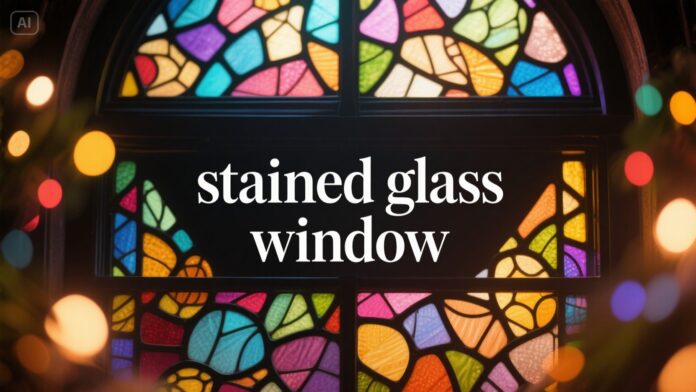
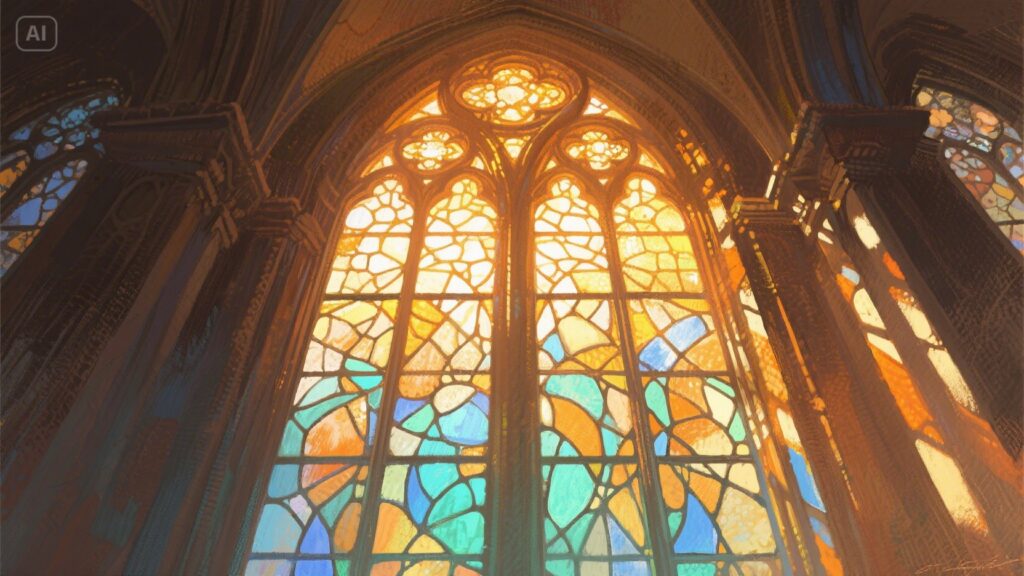
A stained glass window is a window made from pieces of coloured glass held together by lead strips (called cames) or copper foil, often with painted details fired onto the glass in a kiln. In the UK you will find them in medieval cathedrals, Victorian and Edwardian terraced houses, and increasingly in modern homes as front door panels, fanlights and feature windows. This guide explains how stained glass is made, the main types, what it roughly costs to commission or restore, the rules that apply to period and listed homes, and how to look after it so it lasts for generations. Also worth reading: Plug Socket Guide for UK Homes.
What is a stained glass window?
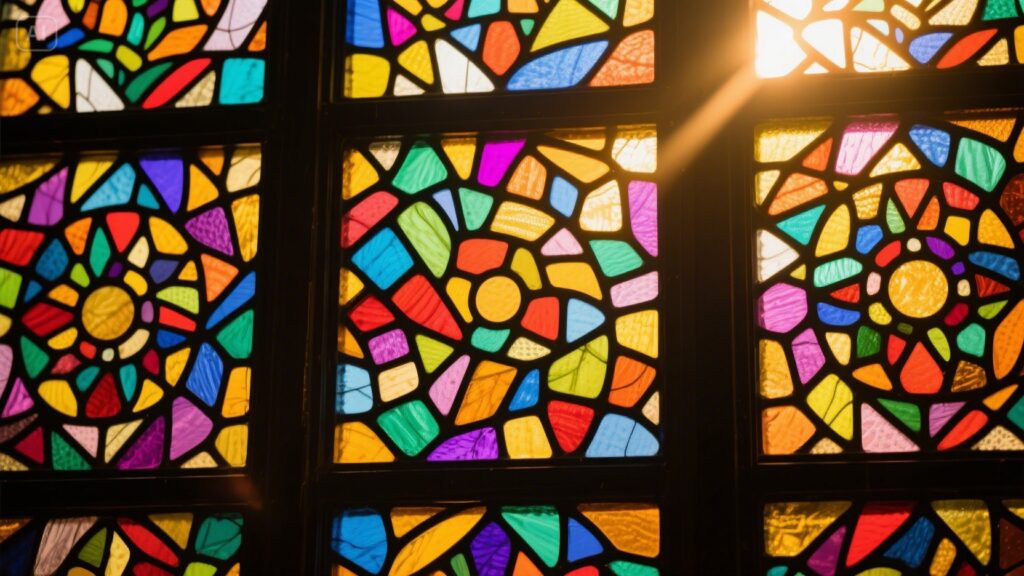
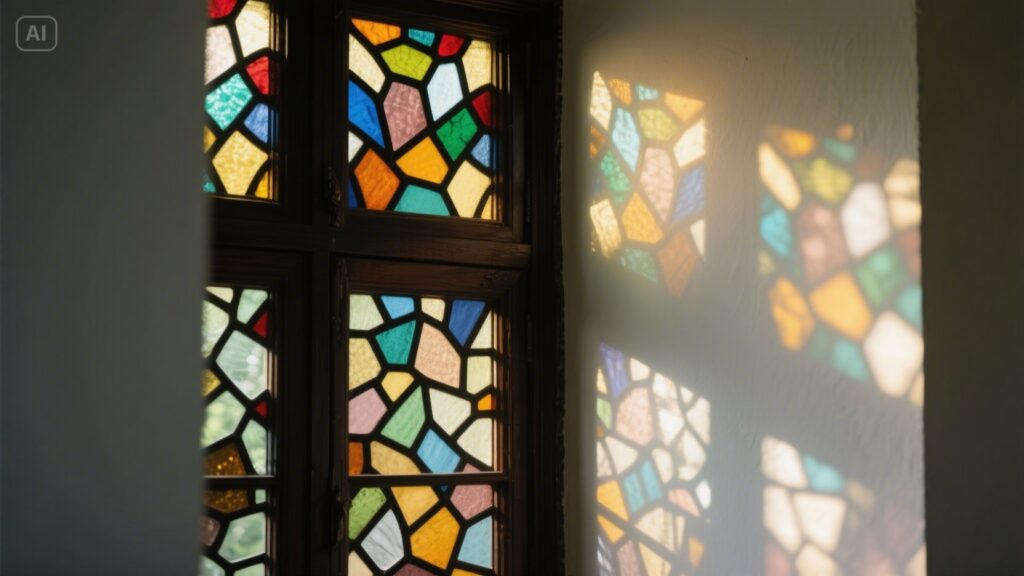
Strictly speaking, “stained glass” describes glass that has been coloured, either during manufacture by adding metal oxides to the molten batch, or afterwards by painting and firing the surface. A stained glass window is the finished panel: many shaped pieces of that glass fitted together like a jigsaw, bound by lead or copper, soldered at the joints and then waterproofed and fixed into a frame.
People often use the term loosely for three related things, and it helps to know the difference when you are talking to a glazier:
- Leaded lights: clear or lightly tinted glass set in lead, usually in simple diamond or rectangular grids. Common in Tudor revival and 1930s houses.
- Stained glass: coloured glass set in lead to form a picture or pattern, with or without painted detail.
- Painted glass: glass where much of the image, such as faces, lettering and shading, is painted on with vitreous enamels and fired, a technique typical of church windows.
A brief history of stained glass in Britain
Coloured glass was known to the Romans, but the stained glass window as we recognise it developed in the churches of medieval Europe. In England, Canterbury Cathedral holds some of the oldest surviving glass, dating to the late twelfth century, and York Minster is famous for its medieval windows, including the vast Great East Window from the early fifteenth century. At a time when few people could read, these windows told Bible stories in pictures and filled dark stone interiors with coloured light.
Much English church glass was lost during the Reformation and the Civil War. The craft revived strongly in the nineteenth century with the Gothic Revival and later the Arts and Crafts movement, when designers such as those associated with William Morris’s firm brought stained glass back into churches and homes. Mass-produced patterned panels then became a standard feature of Victorian and Edwardian terraces, which is why so many UK front doors, fanlights and hall windows still carry original coloured glass today.
How a stained glass window is made
The traditional leaded method has changed surprisingly little in centuries. A bespoke panel normally goes through these stages:
- Design and cartoon: the artist draws a small colour sketch, then a full-size drawing (the cartoon) that shows every lead line.
- Cutline and templates: a tracing of the lead lines is used to make templates, allowing for the thickness of the lead heart between pieces.
- Glass selection and cutting: sheets are chosen for colour, texture and how they transmit light, then scored and broken to shape.
- Painting and firing (optional): details are painted with glass paint and fired in a kiln so they fuse permanently to the surface. Silver stain, which turns glass yellow to amber, is also fired on.
- Leading up: the pieces are fitted into H-section lead cames on the bench, working across the panel.
- Soldering and cementing: each joint is soldered on both sides, then a putty-like cement is brushed under the lead flanges to weatherproof and stiffen the panel.
- Fitting: larger windows get steel or bronze support bars tied to the lead to stop bowing, before the panel is fixed into its frame.
The main alternative is the copper foil technique popularised by Louis Comfort Tiffany’s studio. Each piece is wrapped in thin copper tape and soldered along every seam, which allows smaller pieces and tighter curves. It suits lamps, suncatchers and delicate internal panels, while lead remains the usual choice for windows exposed to weather.
Types of stained glass for homes compared
If you want the look in your own home, you have more options than a traditional leaded panel. Here is how they compare:
| Option | Best for | Pros | Cons |
| Traditional leaded stained glass | Period homes, front doors, feature windows | Authentic, repairable, lasts many decades | Highest cost, single glazed unless encapsulated |
| Copper foil (Tiffany style) | Internal panels, lamps, small decorative pieces | Fine detail, tight curves | Less robust for exposed external windows |
| Stained glass inside a double glazed unit | Doors and windows needing insulation and security | Protected from weather, better thermal performance | Harder to repair, less texture visible, not always suitable for listed buildings |
| Applied lead and coloured film | Budget makeovers, uPVC units | Much cheaper, quick to fit | Does not look or age like real glass, can peel |
| Window film or suncatcher | Renters, temporary privacy | Removable, very low cost | Decorative only, no heritage value |
Where stained glass works best in a home
- Front door panels and fanlights: the classic Victorian spot. Coloured glass gives kerb appeal and privacy while lighting the hallway. It pairs well with the ideas in our guide to front door design.
- Stair and landing windows: tall windows that are rarely opened and often overlooked by neighbours are ideal.
- Bathrooms: textured and coloured glass gives privacy without net curtains or frosted film. Choose designs with plenty of obscure glass.
- Internal doors and borrowed lights: a panel between a hallway and a living room shares light with a dark space.
- Kitchen extensions and garden rooms: a single contemporary panel can add colour to an otherwise plain glazed wall.
Popular themes include Art Nouveau tulips and lilies, Victorian geometric borders, birds and trees, and modern abstract designs with large panes of textured clear glass. If your window already has decorative joinery, it is worth thinking about the frame too: our piece on Craftsman style window trim shows how surrounds can frame a feature window.
How much does a stained glass window cost in the UK?
Prices vary widely by size, complexity, the amount of hand painting, the glass chosen and where you live, so treat any figure as a starting point for quotes rather than a fixed price. As a general guide:
- Small off-the-shelf or simple geometric panels are the cheapest route, and applied film products cost a fraction of real glass.
- Bespoke leaded panels are usually priced per square metre, and the rate rises sharply with the number of pieces and any painted detail.
- Repairing a cracked piece or re-leading an original Victorian door panel is often cheaper than replacing it and keeps the character of the house.
- Encapsulating an existing panel inside a new double glazed unit adds the cost of the sealed unit and fitting.
Ask at least two or three studios for written quotes that include design, removal of the old glass, boarding up if needed, fitting and VAT. If you are replacing whole frames at the same time, our overview of new windows cost explains the other factors that drive the price.
Rules for listed buildings, conservation areas and safety glass
Before you remove or change historic glass, check the planning position. If your home is a listed building, altering or replacing original windows, including stained glass, generally needs listed building consent from your local planning authority, and doing the work without it can be a criminal offence. In a conservation area, an Article 4 direction may remove permitted development rights for changes to front elevations, so even like-for-like replacement can need permission. A quick call or email to your council’s conservation officer is the safest first step, and Historic England publishes guidance on caring for historic windows.
Safety is the other consideration. Building Regulations in England and Wales require safety glazing in “critical locations”, broadly glass in and next to doors and low-level glass near floors. A new stained glass door panel may need to be protected with toughened or laminated glass, often by fitting it as secondary glazing or inside a sealed unit. Your glazier should know the current requirements, and Scotland and Northern Ireland have their own building standards.
How to choose a stained glass studio
- Look at a portfolio of finished domestic work, not just church commissions, and ideally see a panel in person.
- For historic or listed glass, ask whether the conservator follows recognised conservation practice. The British Society of Master Glass Painters and the Icon conservation register are useful places to start looking.
- Ask how they will protect the opening while the panel is in the workshop and how long the job will take.
- Get the design approved on paper, including glass samples held up to the light, before cutting starts.
Caring for and cleaning stained glass
Well-made stained glass can last a century or more, but the lead and cement age before the glass does. Simple care keeps it in good shape:
- Dust gently with a soft, dry brush or microfibre cloth. Do not press hard on bowed panels.
- Wash sparingly with lukewarm water and a drop of mild washing-up liquid, then dry straight away. Avoid ammonia, vinegar, abrasive pads and pressure washers, which can attack lead, loosen cement or lift painted detail.
- Never scrape painted areas. Old paint can be fragile, particularly on church-style glass.
- Inspect once a year for bulging, rattling pieces, cracks, white powdery lead or daylight showing along the joints.
- Wash your hands after handling old lead cames, and keep children away from any loose lead.
For the ordinary glazing around a feature panel, the tools in our window cleaner tool guide work well, but keep squeegees and scrapers away from the leaded area itself. If a panel is bowing badly or letting in water, it usually needs to be removed and re-leaded by a professional rather than patched with sealant.
Repair or replace?
Original Victorian and Edwardian glass is part of a house’s value and character, and once it is gone it cannot be recreated exactly. A single cracked piece can often be replaced or bonded, and a tired panel can be fully re-leaded using most of the original glass. Replacement makes more sense when the panel is a poor later copy, when most of the glass is already lost, or when the design no longer suits the house and there are no heritage restrictions. Many owners choose a middle route: keep the original panel and add discreet secondary glazing behind it for warmth, security and protection.
Signs your stained glass window needs attention
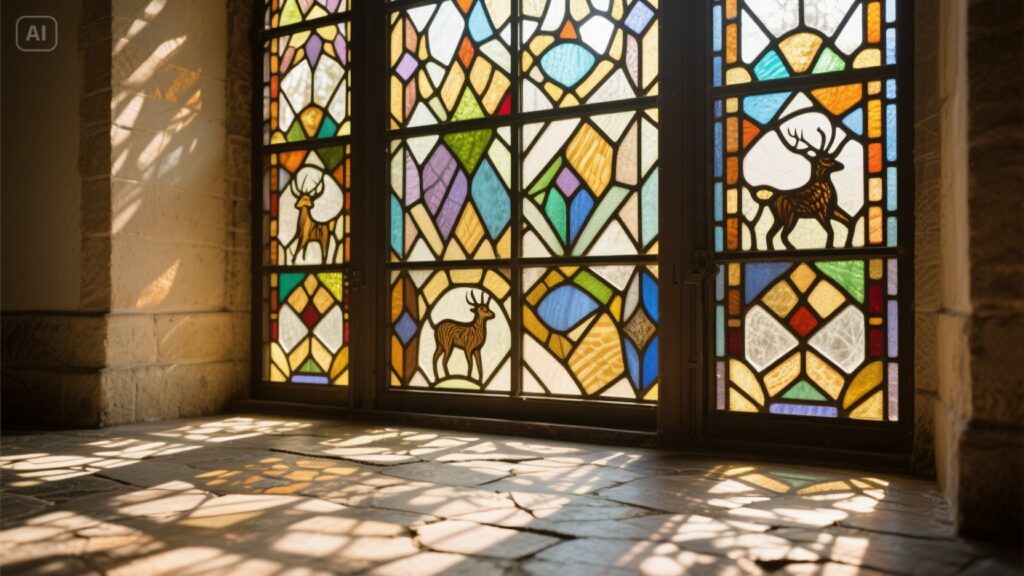
Most problems develop slowly, so a yearly look from both inside and outside the house catches them while they are still cheap to fix. Pick a bright day and check the panel with light coming through it, then again from the outside.
- Bowing or bulging: a panel that curves outward or inward has lost stiffness, usually because the cement has dried out or the support bars have come loose.
- Rattling pieces: if a piece of glass moves or buzzes when you tap the frame or close the door, the lead has stretched or the cement has crumbled.
- White or grey powder on the lead: a sign of oxidation, often worse on the weather side of front doors and south-facing windows.
- Cracks and missing pieces: one cracked quarry is a simple repair, but several cracks in a line can point to movement in the frame.
- Draughts, damp and daylight along joints: water getting behind the lead can rot the timber frame, which then needs repair as well as the glass.
- Faded or flaking paint: on painted panels, this needs a conservator rather than a general glazier.
Typical repair jobs and what they involve
| Problem | Usual fix | Can it be done in place? |
|---|---|---|
| Single cracked piece | Replace the piece by opening the lead, or bond it with a conservation adhesive | Often, for simple panels |
| Loose, rattling glass | Re-cement the panel so the lead grips the glass again | Sometimes |
| Bowed panel | Remove, flatten carefully and add or re-tie support bars | Rarely; usually workshop |
| Tired, split lead throughout | Full re-leading, reusing the original glass | No; workshop job |
| Rotten frame around the panel | Joinery repair or new frame, with the panel taken out first | No |
Ask any studio to explain which of these jobs your panel actually needs, and whether they plan to reuse the original glass. A good restorer will want to keep as much of it as possible.
Making stained glass warmer, quieter and more secure
Single-glazed leaded panels lose heat and offer little security, which is the main reason so many were ripped out in the 1970s and 1980s. You rarely need to choose between character and comfort now. Secondary glazing fitted on the inside, either as a slim hinged or lift-out pane, cuts draughts and noise and protects the panel from knocks while leaving it easy to reach for repairs. For a front door, a laminated glass layer behind or in front of the panel adds both security and safety-glazing compliance. Encapsulating the panel inside a double glazed sealed unit gives the best insulation, but if the seal fails years later the unit has to be opened to reach the glass, so it is better suited to new panels than irreplaceable originals.
Design tips for a new stained glass panel
- Match the period of the house. Victorian terraces suit geometric borders and floral centres, Edwardian homes suit lighter Art Nouveau curves, and 1930s semis suit sunrise motifs and simple leaded lights.
- Think about privacy first, then colour. Textured or reamy clear glass lets light in while blurring the view, so bathrooms and street-facing doors need more of it.
- Check the orientation. A north-facing panel looks cooler and darker, so warmer, paler glass often works better there; south-facing windows can carry deeper colours without making the room gloomy.
- Keep the scale right. Small pieces and busy designs look cluttered in a narrow side light, while large, simple shapes read well from the street.
- Hold real glass samples up to daylight at home before you approve the design, as colours shift between the studio and your hallway.
Bottom Line on Stained Glass Windows
A stained glass window is one of the few home features that can outlast the people who commission it. If you already have original glass, keep it, have it re-leaded when needed and add secondary glazing for comfort. If you are adding new glass, choose a design that suits the age of the house, get written quotes from experienced studios, and check listed building, conservation area and safety glazing rules before any work starts.
Frequently asked questions
What is the difference between stained glass and leaded glass?
Leaded glass usually means clear or lightly tinted glass set in a lead grid, while stained glass uses coloured and often painted glass to make a pattern or picture. Both use the same lead came construction.
Can stained glass be double glazed?
Yes. A panel can be sealed inside a double glazed unit, or kept as it is with secondary glazing fitted behind. Secondary glazing is usually preferred for original or listed glass because the panel stays accessible for repair.
How long does a stained glass window last?
The glass itself can last for centuries. Lead and cement typically need attention after many decades, when a panel may need re-leading to restore its strength and weatherproofing.
Do I need permission to replace a stained glass window?
If the property is listed you will generally need listed building consent, and in some conservation areas changes to front windows need planning permission. Check with your local council before starting work.
What is the best way to clean stained glass?
Dust with a soft brush or dry microfibre cloth and, if needed, wipe with lukewarm water and a little mild washing-up liquid. Avoid ammonia, vinegar and abrasives, and never scrub painted areas.
Is stained glass suitable for a modern home?
Yes. Contemporary studios make abstract and minimalist panels using large pieces of clear textured glass with a few accents of colour, which suit modern extensions, internal doors and garden rooms without looking old-fashioned.