
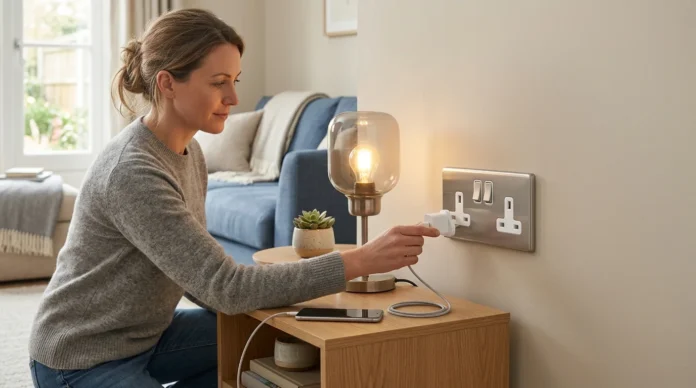
Choosing a plug socket looks simple until you compare the options available for a modern UK home. You can choose single, double, USB, smart, decorative, outdoor, and specialist designs. The right choice depends on the room, your devices, the existing wiring, and how you use the space.
A standard UK wall socket usually provides a 13A connection for Type G plugs. Most homes use switched single or double sockets, while USB, smart, outdoor, and specialist versions solve specific needs. Choose the socket around location and usage, then use a competent electrician where fixed wiring must be altered.
| Planning point | Practical UK guidance | Why it matters |
|---|---|---|
| Standard supply | 230V domestic supply | Matches normal UK appliances |
| Common socket | 13A Type G socket | Standard choice for household use |
| Single or double | One or two plug outlets | Affects flexibility and available connections |
| Switched design | Common in UK homes | Lets you isolate connected equipment locally |
| USB charging | Useful near beds and desks | Reduces separate charger use |
| Outdoor installation | Requires suitable weather protection | Helps protect against moisture and debris |
| Warning signs | Heat, damage, burning smells, crackling | May indicate an electrical fault |
| Fixed wiring | Use competent professional help where needed | Electrical errors can cause shock or fire |
Key Takeaways
- Double sockets usually offer better flexibility where wall space permits.
- USB outlets can work well beside beds, desks, and charging areas.
- Smart sockets suit equipment you want to schedule or control remotely.
- Decorative plates can help electrical fittings suit the room’s wider design.
- Outdoor outlets need appropriate weather protection and careful installation.
- Heat, scorch marks, loose plugs, or crackling sounds should never be ignored.
- New fixed wiring should be planned around safety, circuit capacity, and UK requirements.
What Is a Plug Socket?
A plug socket is a fixed connection point between an appliance and a property’s electrical supply. Standard domestic versions accept the familiar three-pin Type G plug used across the UK. Most common household sockets are rated at 13A and may have an individual on-and-off switch.
The visible faceplate sits over a mounting box that contains the electrical connections. Wiring then connects the outlet to the home’s electrical installation and consumer unit. This construction means a wall outlet is different from a plug-in adaptor or extension lead.
The familiar British system also works with fused appliance plugs. Electrical Safety First explains that modern UK appliances normally use square-pin 13A plugs. The organisation also advises checking plugs, cables, and outlets regularly for damage.
Which Plug Socket Type Should You Choose?
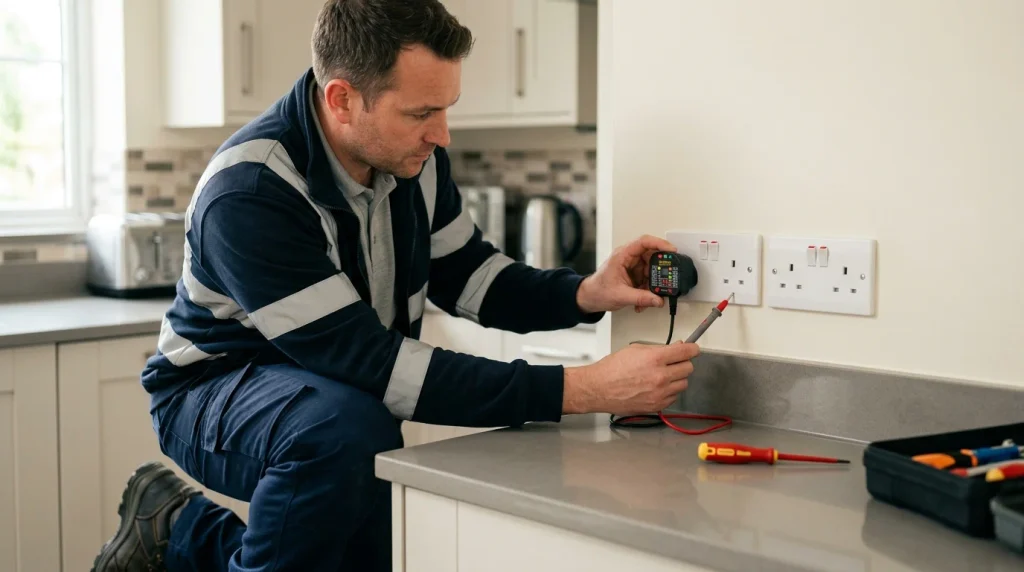
The best choice starts with what will connect to the outlet each day. A bedroom charging point has different needs from a kitchen appliance position. A garden connection also needs protection that a dry living room outlet does not require.
Single and Double Sockets
A single socket, often called a 1-gang socket, accepts one standard mains plug. A double or 2-gang version provides two outlets on one faceplate. Double versions are useful where televisions, lamps, chargers, computers, or several small appliances sit together.
Extra outlets do not mean unlimited electrical capacity. High-load equipment still needs to be considered carefully within the circuit design. Avoid solving persistent shortages by repeatedly adding adaptors or daisy-chained extension leads.
For living rooms, plan power positions alongside lighting and furniture before decorating. This can reduce trailing cables behind sofas, televisions, and floor lamps. DecoHome’s living room lighting guide can help coordinate sockets with lamps and lighting controls.
Switched and Unswitched Sockets
Switched sockets are common because the connected appliance can be isolated at the wall. Each outlet on many double models has its own switch. That arrangement is convenient when equipment remains plugged in for long periods.
Unswitched versions provide power whenever a compatible plug is inserted. They tend to be chosen for specific installations rather than as a default household option. Your electrician can advise whether an unswitched outlet suits the appliance and circuit arrangement.
USB and USB-C Sockets
Sockets with integrated USB ports can reduce the number of separate charging plugs around a room. They are particularly useful beside beds, worktops, desks, and home-office areas. Newer models may include USB-C alongside traditional USB-A connections.
Check charging specifications rather than choosing by port count alone. Devices such as laptops may need more power than basic phone charging requires. Integrated electronics can also become dated sooner than the mains outlet itself.
If you expect technology to change frequently, a standard outlet may offer greater long-term flexibility. You can then replace the charger without replacing the electrical accessory. This approach can make sense in homes where charging standards change faster than the décor.
Smart Sockets
A smart wall outlet can add app control, timers, schedules, or home-automation features. Functions vary between manufacturers, so check compatibility before buying. Some products also provide energy-use information for connected equipment.
Think about what genuinely needs remote control before fitting smart hardware everywhere. Lamps, occasional appliances, and selected equipment may benefit most. A standard switched outlet remains simpler where remote features offer little practical value.
Match the Socket to the Room
Socket planning works best when it begins with furniture and appliance positions. Think about what needs permanent power and what moves around the room. This prevents outlets ending up behind large cabinets or far from useful positions.
Living Rooms and Bedrooms
Living rooms often need connections for televisions, routers, lamps, speakers, consoles, and chargers. Bedrooms usually need easy access near bedside furniture and dressing areas. Double sockets can reduce dependence on extension leads in both spaces.
Finish also matters because outlets remain visible against decorated walls. White plastic is discreet and widely used, while metal finishes can become part of the design. For broader styling ideas, see DecoHome’s UK room décor guide.
Kitchens
Kitchen planning requires more thought because several appliances may operate within a limited area. Kettles, toasters, coffee machines, mixers, and other equipment all need convenient power. Socket positions should therefore be considered before worktops and cabinetry are finalised.
Do not treat outlet placement as an afterthought during a renovation. Discuss appliance locations and electrical points during the main kitchen plan. DecoHome’s new kitchen cost guide can help place electrical work within the wider project budget.
Bathrooms
Bathrooms need particular care because electricity and water create added risk. Normal room assumptions should never be transferred automatically into bathroom installations. Suitable equipment and positioning depend on the location and applicable electrical requirements.
Shaver supply units are designed for specific bathroom uses such as electric shavers and toothbrushes. Other electrical accessories need careful specification and installation. DecoHome’s bathroom ideas guide offers further planning ideas for UK bathroom layouts.
Outdoor Areas
Outdoor outlets are useful for garden equipment, lighting, pressure washers, and seasonal equipment. They need suitable protection against water, dirt, and changing weather conditions. Check the product’s declared IP rating and intended installation environment.
A weatherproof cover alone does not make every installation suitable. Cable routes, protective devices, circuit design, and installation quality also matter. A qualified electrician can assess these points before a permanent outdoor supply is added.
Decorative Finishes and Socket Styles
Electrical accessories can either blend into a room or become a deliberate design detail. Common finishes include white, black, brushed steel, chrome, brass, bronze, and darker metal effects. Screwless faceplates can create a cleaner appearance because the fixing screws stay hidden.
Flat plates look particularly neat in contemporary interiors, but installation depth deserves attention. Extra electronics in USB or smart models can also need more space behind the faceplate. Check the existing back box before buying a replacement design.
Try to keep visible switches and sockets consistent within the same room. Mixed finishes can look accidental, especially on recently decorated walls. Matching electrical accessories with door hardware, lighting, and cabinet handles usually creates a calmer result.
Seven Checks Before Buying or Replacing a Socket
Use a simple checklist before choosing a model or booking electrical work. It prevents design decisions from hiding practical problems. These seven checks cover the issues most UK households should consider.
- Decide how many outlets you need. Plan around everyday equipment rather than temporary arrangements.
- Check the room and location. Kitchens, bathrooms, and outdoor areas may need additional consideration.
- Review the back-box depth. Flat plates and electronic features may need extra space.
- Choose useful features. Add USB or smart controls only where they solve a regular need.
- Check the finish. Match the outlet with nearby switches, hardware, and room colours.
- Look for existing damage. Heat, cracks, discoloration, loose plugs, or noise require investigation.
- Decide who should fit it. Use professional help whenever competence, circuit condition, or fixed wiring is uncertain.
Socket Safety Signs You Should Never Ignore
A healthy outlet should not become unusually hot, smell of burning, or make crackling noises. Visible scorching and repeated circuit-breaker trips also need investigation. Electrical Safety First specifically warns householders not to ignore heat, burn marks, arcing sounds, or repeated protective-device operation.
Stop using an outlet if you suspect a fault. Avoid repeatedly resetting breakers or replacing fuses without finding the cause. Those symptoms can point to damaged equipment, poor connections, excessive loading, or another electrical problem.
Extension leads also deserve sensible use. Electrical Safety First advises against plugging one extension lead into another. A permanent shortage of outlets is usually a reason to review the electrical layout instead.
Can You Replace a Socket Yourself in the UK?
Electrical work is not judged only by whether a faceplate appears easy to remove. You need the competence to isolate the supply, identify conductors, make sound connections, and verify the completed work. Mistakes can create shock and fire risks even when the finished fitting looks normal.
In England, electrical safety in dwellings falls under Part P of the Building Regulations. Approved Document P explains the requirements and when electrical work may require notification. GOV.UK Approved Document P guidance
A like-for-like replacement can differ greatly from adding a completely new outlet. New positions can involve cables, circuit design, wall work, testing, and regulatory considerations. If you are unsure about any part, use a competent electrician rather than experimenting with fixed wiring.
Frequently Asked Questions
What voltage is a UK wall socket?
Normal UK domestic electricity is supplied at a nominal 230V. Standard household outlets accept the familiar Type G three-pin plug. Individual appliances must still be suitable for the supply and used according to their instructions.
What does 2-gang mean on a socket?
A 2-gang outlet provides two places for compatible plugs on one faceplate. A 1-gang version provides one. The word “gang” describes the number of connection positions rather than the electrical capacity of each appliance.
Is a USB wall socket worth installing?
USB charging can be convenient near beds, desks, and regular charging areas. Check the available output because charging performance differs between products. Consider whether replaceable plug-in chargers offer better flexibility for devices that change often.
When should a plug socket be replaced?
Replacement or professional inspection is sensible when an outlet is cracked, scorched, loose, hot, or making unusual sounds. Repeated tripping or a burning smell also needs investigation. Stop using a suspect outlet until the cause has been identified.
Are double sockets better than single sockets?
Double outlets offer more flexibility where two devices regularly need power. They can also reduce reliance on plug-in adaptors. Their suitability still depends on the existing circuit, installation, and intended electrical loads.
Plan the Electrical Details Before You Decorate
Sockets work best when their positions follow how you use each room. Plan appliances, furniture, charging points, lighting, and technology before choosing the final locations. You can then select finishes and features without sacrificing practical access.
Treat damaged or questionable electrical points as a safety issue rather than a cosmetic problem. Use reputable products and get competent professional advice whenever fixed wiring needs alteration. Good planning leaves you with safer connections, fewer trailing leads, and electrical fittings that suit the finished room.