
Introduction
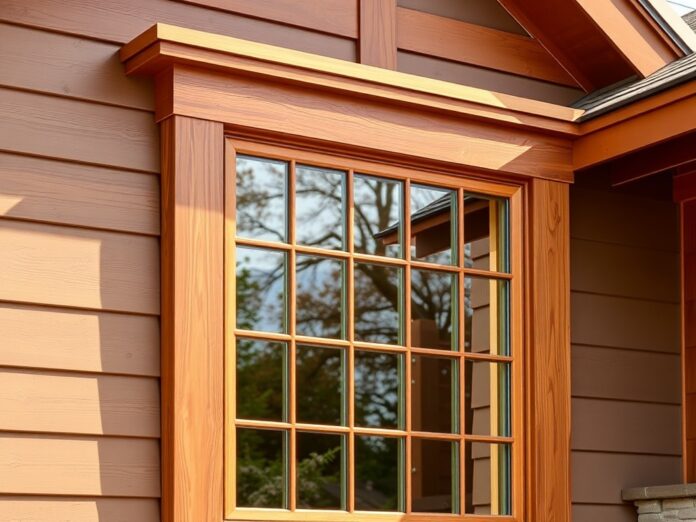
The Craftsman Style Window Trim is a hallmark of early 20th-century architecture, celebrated for its clean lines, flat boards, and square edges. Originating from the Craftsman and bungalow homes, this trim style offers a simple yet elegant handcrafted look that fits well with rustic, traditional, and modern interiors.
Typically made from durable woods like oak, pine, or fir, it enhances window frames with wide side casings and an extended head casing. Whether stained to highlight natural grain or painted for a crisp finish, Craftsman Style Window Trim remains a popular choice for homeowners and designers seeking strong visual interest and lasting craftsmanship in both interior and exterior applications.
| Basics | Summary |
| Style | Clean lines with flat boards and square edges |
| Origin | Rooted in early 20th-century Craftsman homes |
| Look | Simple, handcrafted, and non-ornate |
| Home Fit | Matches rustic, traditional, and modern interiors |
| Budget Materials | MDF and primed pine for painted, cost-effective trim |
| Board Style | Flat stock without curves or carvings |
| Side Casings | 3½”–4½” wide for strong window framing |
| Head Casing | Top trim extends past the boards. |
| Window Base | Flat sill with an apron below for balance |
| Corners | Square edges show craftsmanship. |
| Indoor Use | Frame windows match other trim indoors. |
| Outdoor Use | Adds detail and protects windows using weather-safe materials |
| Installation | Measure, cut, and install with nails and level alignment |
| Stain Finish | Highlights wood grain and warms up interiors |
| Paint Finish | Clean, versatile, and easy to maintain |
Understanding Craftsman Style Window Trim
The Craftsman style window trim uses clean, flat boards with squared edges to create a simple, structured look around windows. It’s a key feature of Craftsman homes and bungalows, reflecting the early 20th-century design movement. The trim is practical yet stylish, offering a handcrafted feel without being overly decorative. It fits seamlessly into rustic, traditional, or transitional home styles, making it a flexible choice for today’s homeowners and designers alike.
Key Features of Craftsman Style Trim
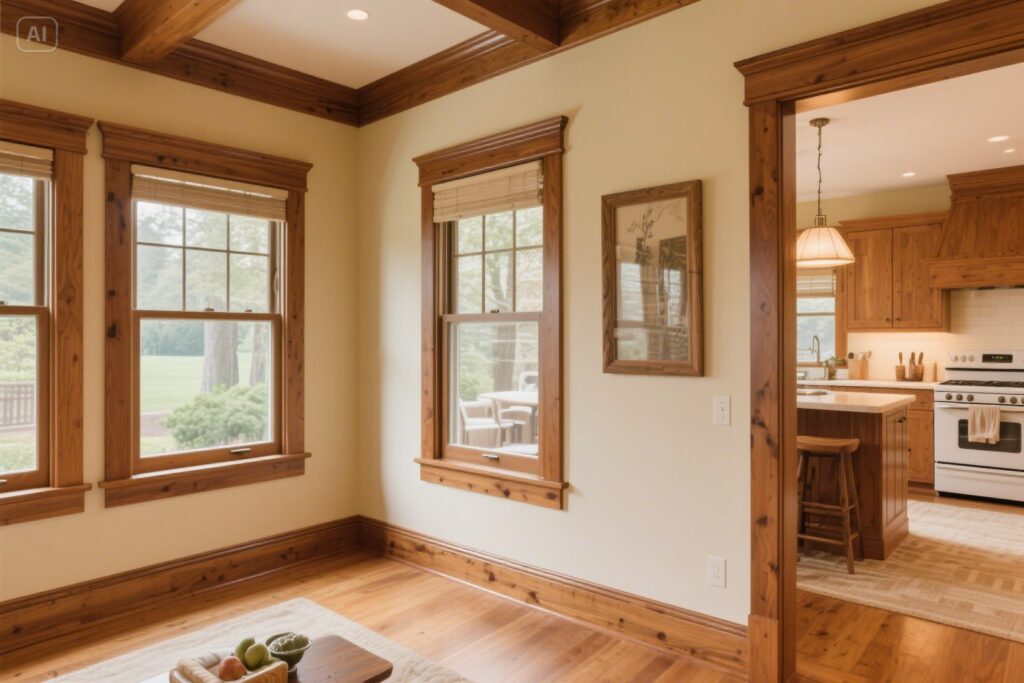
Here are the most defining traits of Craftsman-style window trim:
- Flat stock boards: No curves or ornate patterns
- Wide side casings: Usually between 3½” and 4½”
- Extended head casing: The top board overhangs the sides
- Flat window stool: Acts as the interior sill
- Apron trim: Below the sill for added detail
- Square corners: Clean lines and substantial proportions
- Wood grain finishes: Natural or stained wood preferred
Choosing the Right Materials
Solid Wood Options
In Craftsman Style Window Trim , Oak, fir, and pine are excellent for Craftsman-style trim. These woods are strong, durable, and visually appealing with their natural grain. When stained, they enhance the organic, handcrafted look that defines the Craftsman aesthetic. Using solid wood keeps your trim authentic and gives your windows a rich, timeless feel. Though slightly more expensive, these materials are worth the investment for homeowners wanting to preserve a traditional or historical design.
Interior and Exterior Trim Applications
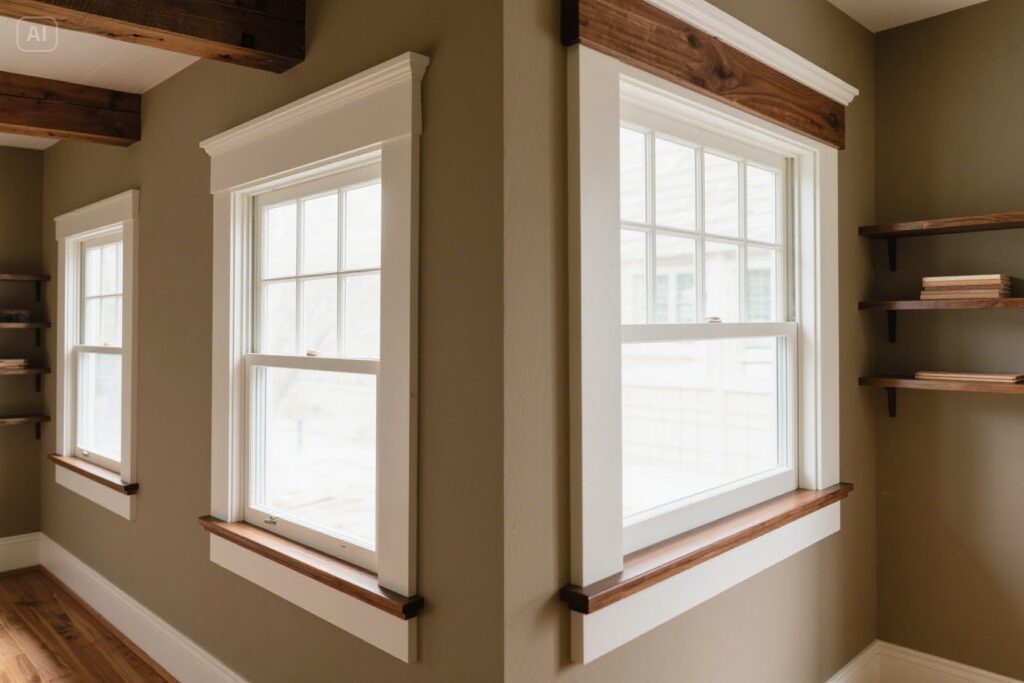
Craftsman window trim works well both inside and outside the home. On interiors, it frames windows with clean lines and connects with matching baseboards and crown moldings. For exterior use, it provides curb appeal while protecting window edges from the weather. Outdoor trim typically uses treated wood or PVC for durability. Whether inside or outside, using consistent Craftsman trim throughout your home ties the design together with harmony and structure.
Installing Craftsman Style Trim
Installing Craftsman Style Window Trim is manageable for experienced DIYers and professionals alike. Start by measuring your window and cutting flat stock boards to size. Begin with the top casing, followed by the side pieces, then the sill and apron. Always check for level and square angles. Use finishing nails to secure each board. For added detail, a narrow cap or shelf can be placed atop the head casing to enhance its visual weight.
Finishing the Trim
Stained Wood Finish
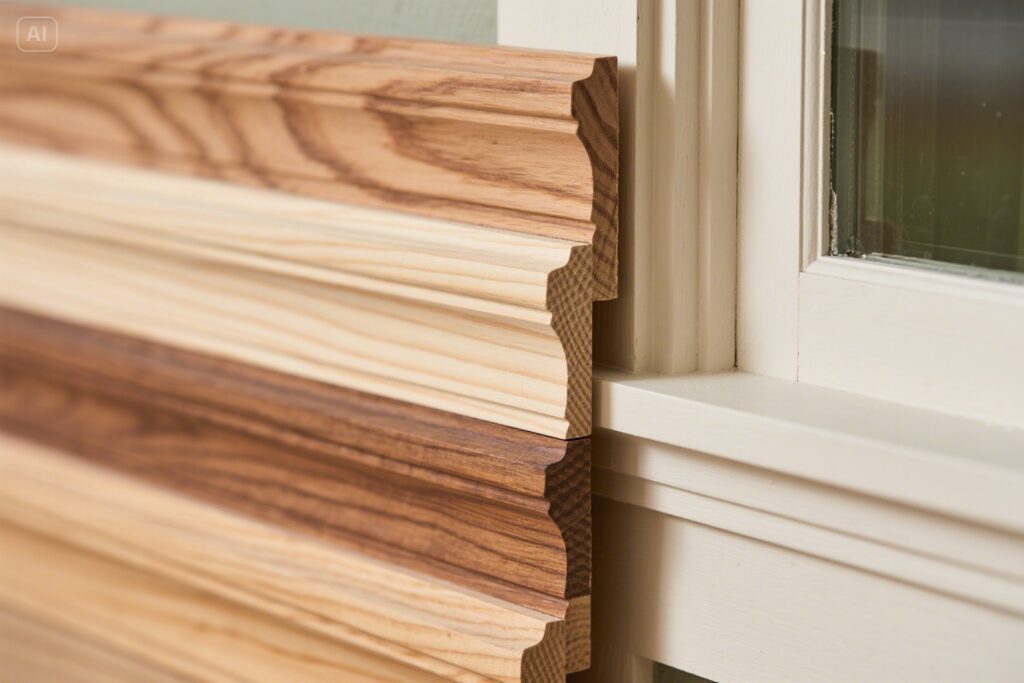
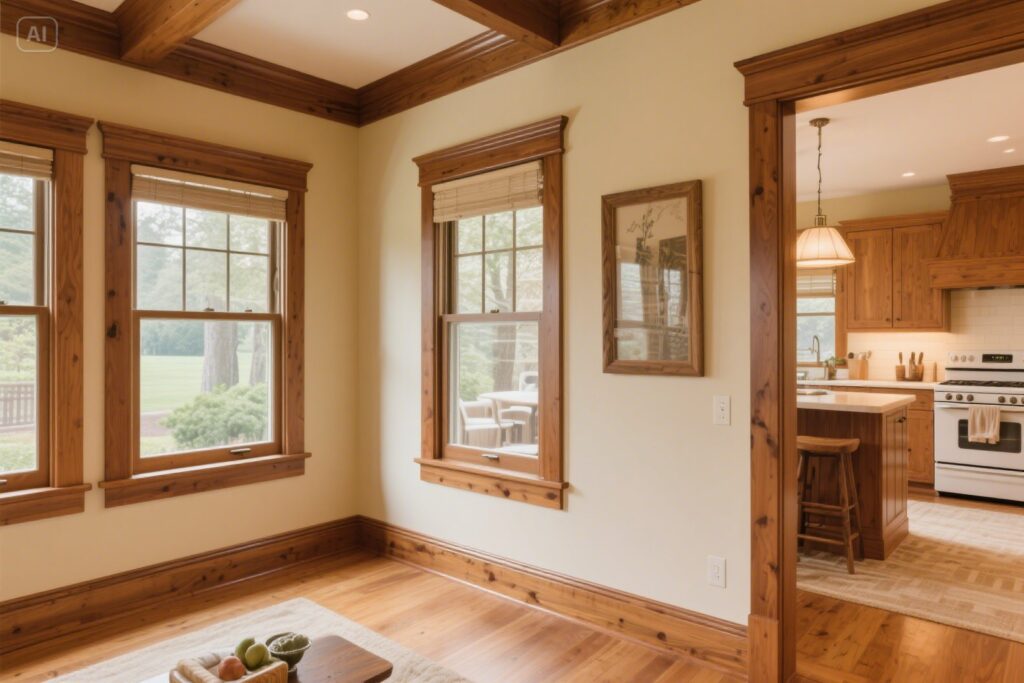
Staining is ideal for showcasing the wood’s natural grain. It’s often used with oak or fir for a warm, traditional feel. Before staining, sand all surfaces and apply a wood conditioner for an even finish. The result is a rich tone that highlights the handcrafted style. Stained finishes work best in rooms with other natural wood features like flooring, ceiling beams, or wood furniture, creating a warm and unified look.
Painted Finish
Painting your Craftsman Style Window Trim gives a crisp, clean appearance and works exceptionally well with white or earth-tone color schemes. Start by sanding and priming the trim, then apply two coats of quality paint. Use caulk to fill any seams for a polished look. Painted trim pairs well with both traditional and modern interiors, making it a versatile option. It’s also easier to maintain, especially in high-traffic areas or family spaces.
Benefits
There are many reasons homeowners choose Craftsman trim:
- Classic look: Never goes out of style
- Strong presence: Bold lines create visual interest
- Customizable: Works with paint or stain
- Natural materials: Emphasizes wood and simplicity
- Handcrafted appearance: Reflects skilled artistry
- Timeless charm: Enhances older and modern homes alike
- Easy to install, especially using flat stock boards
These features make it both a practical and beautiful design option.
Conclusion
Craftsman Style Window Trim offers a timeless, elegant design that enhances both traditional and modern homes. Its simple, handcrafted look with clean lines and durable materials makes it a versatile choice for interiors and exteriors alike. Whether finished with stain or paint, this trim style adds character and strength to window frames. Easy to install and customize, Craftsman Style Window Trim continues to be a practical, beautiful option for lasting architectural appeal.
Want to know about “Why Choose Cladding for Your Home? An Overview of House Cladding Types, Installation Process, Maintenance Tips, And Cost” Check out our “Exterior” category.
FAQs
Solid woods like oak, pine, and fir are preferred for durability and natural beauty, while MDF or primed pine offer budget-friendly options for painted finishes.
When made from treated wood or weather-resistant materials like PVC, Craftsman trim adds both protection and classic appeal to exterior windows.
Installation involves measuring, cutting flat stock boards, attaching the head casing first, then sides, sill, and apron, ensuring level and square alignment throughout.