
Introduction
Regarding home improvement projects, replacing your windows is one of the most impactful upgrades you can make. New windows can enhance your home’s aesthetics, boost energy efficiency, and increase property value. But how much do new windows cost? The answer depends on various factors, from the window type and frame material to installation fees and additional features.
This comprehensive guide will walk you through everything you need to know about the cost of new windows, including factors affecting pricing, popular window types, and tips to save money on your project.
| Window Type | Average Cost (Per Window) | Installation Cost (Per Window) | Key Features | Best For |
|---|---|---|---|---|
| Single-Hung | $150–$400 | $100–$300 | Fixed top sash, movable bottom sash | Budget-friendly replacements |
| Double-Hung | $200–$600 | $150–$350 | Both sashes are movable | Ventilation and ease of cleaning |
| Casement | $250–$700 | $150–$400 | Hinged, swings outward | Energy efficiency and tight seals |
| Sliding | $200–$500 | $150–$300 | Slides horizontally | Easy operation, wide openings |
| Bay/Bow | $1,000–$4,000 | $500–$1,000 | Multi-pane design extending outward | Expanding views and aesthetics |
| Picture | $300–$1,000 | $150–$500 | Fixed, non-opening glass panel | Maximizing natural light |
| Awning | $300–$700 | $150–$400 | Hinged at the top, it opens outward | Ventilation in rainy climates |
| Skylight | $500–$2,000 | $500–$1,000 | Hinged at top, it opens outward | Natural light in dark spaces |
| Custom Windows | $1,000–$5,000+ | $500–$1,500+ | Tailored shapes, sizes, and designs | Unique architectural needs |
| Energy-Efficient | $400–$1,200 | $200–$500 | Double or triple-pane with Low-E coatings | Reducing energy costs |
| Vinyl Frames | $150–$500 | $100–$300 | Affordable, durable, low maintenance | Budget-conscious homeowners |
| Wood Frames | $300–$1,000 | $200–$500 | Classic appearance, good insulation | Traditional or historic homes |
| Aluminum Frames | $200–$600 | $150–$400 | Lightweight, strong, modern look | Contemporary designs |
| Fiberglass Frames | $500–$1,200 | $200–$500 | Durable, energy-efficient | Roof-installed, fixed, or operable |
Key Factors That Influence New Window Costs
When planning to install new windows, understanding the factors that influence overall cost is essential for setting realistic expectations and making informed choices. The type of window frame material — such as timber, PVCu, or aluminium — plays a significant role in pricing, as each option varies in durability, maintenance requirements, and aesthetic appeal. Glass type and energy efficiency ratings also contribute to cost differences, with double or triple glazing offering improved insulation but typically commanding higher upfront investment. Other considerations include the size and design of the windows, the condition of existing frames, and the complexity of installation, which can affect labour time and materials needed. By evaluating these key elements together with your home’s architectural style and long-term performance goals, you can strike a balance between upfront cost and the long-term benefits of enhanced comfort, energy savings, and visual appeal.
Why Invest in New Windows?
Before diving into costs, let’s explore why new windows are worth the investment:
Improved Energy Efficiency: Modern windows feature advanced insulation technologies that reduce heat transfer, helping lower energy bills. They keep your home cool in summer and warm in winter, reducing the need for HVAC systems to work overtime.
Enhanced Aesthetics
New windows can transform your home’s look, both inside and out. Whether you prefer sleek modern designs or classic wooden frames, updated windows give your home a fresh, polished appearance.
Increased Property Value
Replacing old windows is an upgrade that potential buyers value. Homes with energy-efficient windows and contemporary designs often sell faster and at higher prices.
Better Comfort and Noise Reduction
Quality windows reduce drafts and block out external noise, creating a more comfortable and quiet living space.
Lower Maintenance
Many modern windows are designed with materials that resist rot, corrosion, and warping, requiring less upkeep.
Key Factors That Determine New Windows Cost

The cost of new windows varies significantly based on several factors. Understanding these elements will help you estimate your budget more accurately.
1. Type of Windows
windows play a vital role in aesthetics, ventilation, and energy efficiency, and their type can significantly impact a space’s overall design and functionality. Common window types include casement windows, hinged on the side and swing open for excellent ventilation, and double-hung windows with two sashes that slide vertically for flexible airflow.
Bay and bow windows protrude outward, creating a spacious feel and enhancing natural light. Awning windows, hinged at the top, are ideal for rainy climates as they open outward, shielding against water. Sliding windows are space-efficient and perfect for modern designs.
2. Frame Material
The choice of frame material plays a crucial role in the performance, aesthetics, and longevity of windows and doors. Common materials include wood, which offers natural beauty and excellent insulation but requires regular maintenance to prevent weathering. Aluminum frames are lightweight, durable, and corrosion-resistant, making them ideal for modern designs, though they may require thermal breaks to improve energy efficiency.
UPVC (unplasticized polyvinyl chloride) is a popular, low-maintenance, affordable, energy-efficient, and resistant to weather, rot, and corrosion. For durability and versatility, composite frames, made from wood and aluminum, provide the best of both worlds—offering strength, energy efficiency, and reduced maintenance.
3. Glass Type
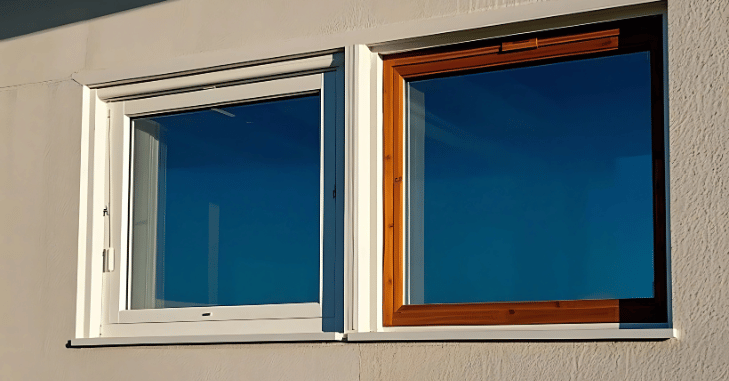
The type of glass used in windows and doors significantly impacts a building’s energy efficiency, security, and aesthetic appeal. Single glazing is the simplest form, consisting of one layer of glass, but it offers poor insulation, leading to higher energy costs. In contrast, double glazing features two layers of glass with an air or gas-filled gap between them, providing better insulation against heat loss, noise reduction, and increased comfort. For enhanced performance, triple glazing incorporates three layers of glass, offering superior thermal insulation and noise reduction, making it ideal for extreme climates or energy-efficient homes.
4. Size and Customization
Custom-sized windows or specialty shapes like arched, circular, or triangular designs can increase costs by 20–50% compared to standard sizes. The size and customization of windows and doors are crucial factors that contribute to a space’s functionality and aesthetics. Standard sizes are commonly available and provide a cost-effective option for most projects, but they may not always meet the specific requirements of a design or layout. Custom-sized windows and doors offer a tailored solution, allowing greater flexibility in dimensions, shape, and style.
5. Installation Costs
Installation costs significantly affect the overall budget for any window, door, or cladding project. These costs can vary depending on several factors, such as the type of material, the installation’s complexity, and the property’s location. For example, standard windows with simple designs typically have lower installation fees, as the process is straightforward and requires minimal labor.
However, custom windows or non-standard sizes can increase installation costs due to the need for specialized labor, additional preparation, or adjustments to the structure of the building. Other variables affecting installation costs include removing old windows or doors, the need for scaffolding or cranes for large installations, and the installation of additional features like security systems or specialized glazing.
Average Cost of New Windows
To give you a clearer idea of pricing, here’s a breakdown of average costs based on window type and material:
| Window Type | Cost Range (Per Window) | Frame Material Options |
| Single-Hung | $150–$400 | Vinyl, Aluminum, Wood |
| Double-Hung | $250–$600 | Vinyl, Fiberglass, Wood |
| Casement | $300–$800 | Vinyl, Aluminum, Fiberglass |
| Sliding | $200–$700 | Vinyl, Aluminum, Composite |
| Bay or Bow | $1,000–$4,000 | Wood, Composite |
| Picture | $300–$1,200 | Vinyl, Fiberglass |
How to Save Money on Window Replacement?
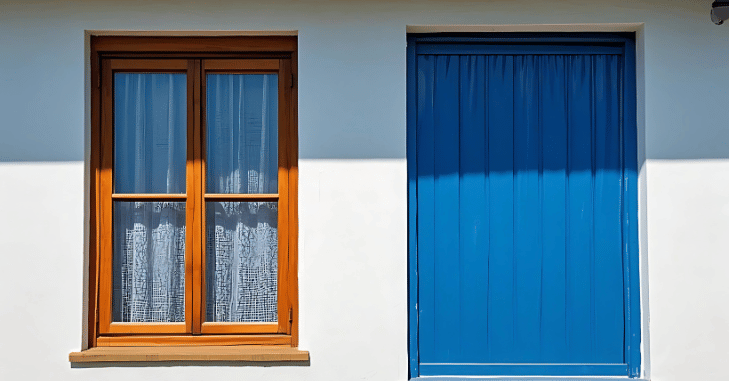
Replacing windows doesn’t have to break the bank. Here are some tips to cut costs without compromising quality. Custom windows are beautiful, but standard sizes are more budget-friendly. Many contractors offer discounts for bulk replacements.
Vinyl is affordable, durable, and energy-efficient, making it a cost-effective choice. Scheduling window replacements during the off-season (fall or winter) can often secure discounts from contractors. If you’re handy, installing windows yourself can save on labor. However, this is best for straightforward projects.
Benefits of Investing in New Windows
While the cost of new windows can feel substantial, the benefits are long-lasting. Here’s what you gain:
- Energy Savings: ENERGY STAR-rated windows can lower energy bills by up to 20%.
- Increased Home Value: New windows are a top selling point for prospective buyers.
- Improved Comfort: No more drafts or noisy neighbors!
- Low Maintenance: Today’s windows are designed to resist wear and tear, making your life easier.
New windows offer several long-term benefits that make them a valuable investment for any homeowner. They significantly improve energy efficiency by reducing heat loss in winter and keeping interiors cooler in summer, which helps lower monthly energy bills. Modern designs also enhance home security with stronger frames, advanced locking systems, and durable glazing options that are more resistant to break-ins.
In addition, new windows improve indoor comfort by eliminating drafts and reducing outside noise, creating a quieter and more stable living environment. From an aesthetic perspective, they refresh the overall look of a home and can increase property value, making them especially appealing to future buyers while also reducing ongoing maintenance needs compared to older window systems.
Conclusion
Investing in new windows is a smart move that pays off in energy savings, enhanced comfort, and increased home value. Costs vary based on window type, material, size, and installation, but with a clear plan and careful budgeting, you can find a solution that fits your needs and your wallet.
When planning your window replacement project, consult professionals to ensure accurate measurements and a seamless installation process. With the right choices, new windows will brighten your home literally and figuratively for years.
Apart from that if you want to know about “Staircase Design: Transform Your Home with Stunning Ideas” then please visit our “Interior design” Category.
FAQs
Most new windows come with a manufacturer’s warranty, typically covering 10–20 years for the frame and glass. Installation warranties may also be included but are usually shorter.
DIY window replacement can save on labor costs, but it’s only recommended for experienced individuals. Improper installation can lead to air leaks, water damage, and higher energy bills.
Triple-pane windows are more expensive than double-pane options, ranging from $400 to $1,200 per window, depending on size and features.
Casement and awning windows are among the most energy-efficient due to their tight seal when closed. Double-hung and sliding windows are slightly less efficient.
Many window manufacturers and contractors offer financing options, allowing you to pay for your windows in installments. Some energy-efficient windows may also qualify for tax credits or rebates.