Introduction
Regarding home improvement, few things are as important as proper insulation, and your roof is no exception. Roof insulation plays a crucial role in maintaining indoor comfort, reducing energy bills, and enhancing the overall efficiency of your home. But how much does roof insulation cost? What factors affect the price, and what are your options? In this guide, we’ll explore everything you need to know about roof insulation cost, from materials and labor to long-term savings and frequently asked questions. For a closer look at this, see Signs Your St. Petersburg Home Needs a New Roof.
| Insulation Type | Cost per Square Foot | Cost for 1,000 sq ft | Installation Complexity | R-Value (Thermal Resistance) | Lifespan | Pros | Cons |
|---|
| Fiberglass Batt | $0.40 – $1.50 | $400 – $1,500 | Moderate | R-11 to R-38 | 20-30 years | It can be itchy, not water-resistant | It Can be itchy, not water-resistant |
| Spray Foam Insulation | $1.00 – $3.50 | $1,000 – $3,500 | High | R-30 to R-60 | 30-50 years | Excellent air barrier, high R-value | Expensive and requires professional installation |
| Blown-In Insulation | $0.50 – $2.00 | $500 – $2,000 | Moderate | R-30 to R-60 | 20-30 years | Good for existing spaces, affordable | Can settle over time, needs to be installed carefully |
| Reflective or Radiant Barrier | $0.10 – $0.50 | $100 – $500 | Low | R-1 to R-3 | 10-20 years | Reduces heat gain in hot climates | Less effective in cold climates |
| Cotton (Denim) Insulation | $1.00 – $2.00 | $1,000 – $2,000 | Moderate | R-13 to R-30 | 25+ years | Environmentally friendly, sustainable | It may require more maintenance, expensive |
| Mineral Wool (Rock Wool) | $0.60 – $2.00 | $600 – $2,000 | Moderate | R-15 to R-45 | 30-40 years | Fire-resistant, good soundproofing | It can be heavier than other types |
| Cellulose Insulation | $0.50 – $1.50 | $500 – $1,500 | Moderate | R-30 to R-60 | 20-30 years | Eco-friendly, good for attics | Settles over time can attract pests |
Why Roof Insulation Investment Matters
Investing in roof insulation goes beyond simply lowering energy bills — it enhances comfort, reduces heat loss in winter, and keeps your home cooler during warmer months. The type of insulation material, such as mineral wool, rigid foam boards, or spray-foam, significantly influences both upfront costs and thermal performance. Factors like the depth of insulation required and the accessibility of the roof space also play important roles in determining overall expenditure, as more complex installations can demand additional labour and preparation. In addition, good roof insulation helps minimise drafts, control moisture build-up, and improve soundproofing, making it a worthwhile upgrade for any homeowner concerned with long-term comfort and efficiency. By balancing material choice, installation requirements, and your insulation goals, you can make informed decisions that improve your home’s environmental performance without unnecessary overspending.
Why Roof Insulation Matters?
Before diving into costs, let’s discuss why roof insulation is important. Roof insulation helps regulate the temperature in your home by preventing heat loss during winter and heat gain during summer. It creates a thermal barrier between your living space and the outside environment, ensuring your home remains comfortable year-round.
Benefits of proper roof insulation include:
- Energy Savings: Reducing the need for heating and cooling systems can cut energy bills by 20–30%.
- Improved Comfort: Consistent indoor temperatures make your living spaces more enjoyable.
- Environmental Impact: You may lessen your carbon impact by using less energy.
- Enhanced Property Value: Both tenants and buyers find a property with enough insulation to be more enticing.
Now that we understand the importance of roof insulation, let’s break down the costs.
Average Cost of Roof Insulation
The cost of roof insulation varies widely depending on factors like the type of insulation, the size of your roof, labor charges, and regional pricing differences. On average, homeowners can expect to pay between $1,500 and $4,000 for roof insulation in a typical home.
Here’s a breakdown of the average costs:
| Insulation Type | Cost Per Square Foot (Material) | Installation Cost Per Square Foot | Total Cost (For 1,000 Sq. Ft.) |
| Fiberglass Batts | $0.50–$1.50 | $0.50–$1.50 | $1,000–$3,000 |
| Spray Foam (Closed Cell) | $1.50–$3.00 | $1.00–$2.00 | $2,500–$5,000 |
| Spray Foam (Open Cell) | $0.50–$1.50 | $0.50–$1.50 | $1,000–$3,000 |
| Rigid Foam Board | $2.00–$3.00 | $1.00–$2.00 | $3,000–$5,000 |
| Loose-Fill/Blown-In | $1.00–$2.00 | $1.00–$2.00 | $2,000–$4,000 |
| Reflective Insulation | $1.00–$1.50 | $0.50–$1.50 | $1,500–$3,000 |
Key Factors Affecting Roof Insulation Cost
Type of Insulation
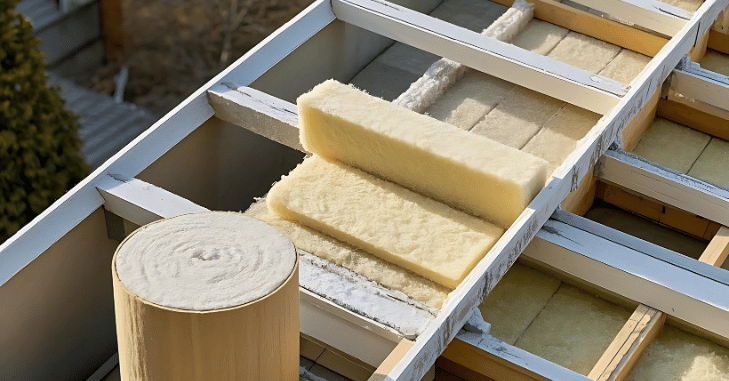
Cost-effective and widely available, fiberglass batts are easy to install but less effective in irregular spaces. It offers excellent coverage and air sealing but comes at a higher price. Best for flat roofs and areas requiring high thermal resistance. It is ideal for covering large areas quickly, especially in attics. It is great for hot climates as it reflects radiant heat. The overall square footage of your roof strongly impacts the cost of materials and labor. Larger roofs require more insulation, driving up the price.
Several important factors influence the overall cost of roof insulation, making it essential to evaluate each one before starting a project. The type of insulation material is one of the biggest cost drivers, as options like fiberglass are more affordable, while spray foam and rigid foam boards offer higher performance at a premium price. The size and shape of the roof also play a significant role, since larger or more complex roof structures require additional materials and labor.
Labor costs can vary depending on location and installer expertise, with professional installation generally increasing the total expense but ensuring better long-term performance. In addition, the condition of the existing roof, accessibility of the space, and the required R-value for energy efficiency standards can all affect the final budget. Considering these factors together helps homeowners choose the most cost-effective and suitable insulation solution.
Roof Type
- Flat Roofs: Easier and less expensive to insulate compared to pitched roofs.
- Pitched Roofs: Require more material and time, increasing costs.
Labor Costs
Although professional installation guarantees peak performance, it raises the total cost. Labor rates vary by region, with urban areas typically costing more.
Existing Condition
Additional costs will apply if your roof requires repairs or removal of old insulation.
R-Value
The R-value measures the insulation’s thermal resistance. Although they may be more expensive, higher R-values offer superior insulation.
DIY vs. Professional Installation
DIY Installation
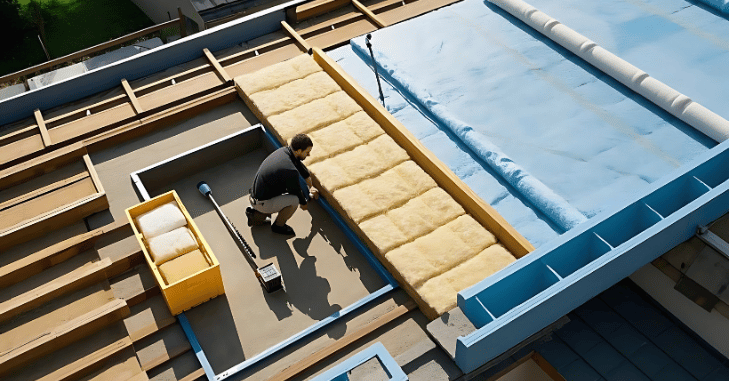
If you’re handy and looking to save money, installing insulation can be viable, particularly with materials like fiberglass batts or reflective insulation. DIY installation costs are limited to materials, which can save you up to 50% of the total cost. However, mistakes during installation can compromise performance, leading to higher energy bills.
Professional Installation
Hiring a professional ensures the job is done correctly and complies with building codes. Professionals also have the tools and expertise to handle complex projects, such as spray foam or blown-in insulation. While labor costs add to the expense, the long-term benefits often outweigh the initial savings from DIY efforts.
Long-Term Savings
Although the initial cost of installing roof insulation may appear high, there are substantial long-term benefits. Proper insulation can reduce energy bills by up to 30%, meaning you’ll recoup your investment within a few years. Energy-efficient upgrades like insulation may also qualify for tax credits or rebates, reducing the overall cost.
For example:
A 30% cut saves you $60 or $720 a year if your energy cost is $200 per month. Over 10 years, that’s a savings of $7,200!
Tips for Reducing Roof Insulation Costs
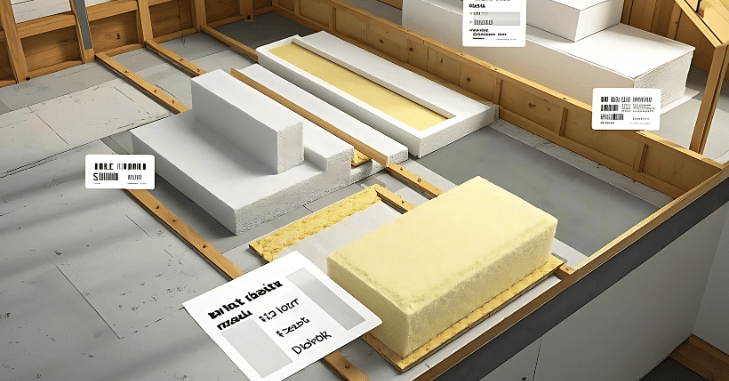
Finding the cheapest pricing by comparing estimates from several contractors. Opt for a material that balances cost, performance, and your climate’s needs. Contractors may offer discounts during slower periods, such as late fall or winter. Check for government programs or utility rebates for energy-efficient upgrades.
Bundle Home Improvements: Combine insulation with other projects to reduce labor costs.
Conclusion
One of the best methods to raise your house’s comfort, value, and energy efficiency is to insulate your roof. While the upfront cost of insulation can range from $1,500 to $4,000, the long-term savings on energy bills make it a worthwhile investment. By understanding the factors affecting costs and exploring your options, you can choose the best insulation solution for your home and budget.
Whether you opt for fiberglass batts, spray foam, or reflective insulation, ensuring proper installation is key to maximizing the benefits. You can transform your home into a more energy-efficient and comfortable living space with thoughtful planning and research.
Apart from that if you want to know about “Repointing Brickwork: A Comprehensive Guide to Repairing and Protecting Your Masonry” then please visit our “Roof repair” Category.
FAQs
The least expensive choice is fiberglass batts, which run between $0.50 and $1.50 per square foot.
Most insulation materials last between 20–50 years, depending on the type and installation quality.
Yes, adding insulation over existing layers is possible, but ensuring proper ventilation to prevent moisture buildup is essential.
Many insulation materials, like cellulose and certain spray foams, are eco-friendly and made from recycled materials.
Signs include high energy bills, inconsistent indoor temperatures, or visible wear and tear in the attic or roof.