

Introduction
You’re not alone if you love your air fryer but hate the mess. Between sticky residue, grease splatter, and time-consuming cleanup, even the most dedicated air fryer users can grow frustrated. That’s where the air fryer silicone liner comes in—a game-changing accessory designed to make your air frying experience brighter, cleaner, and more efficient. Our related guide, Roofing Warranties, goes further into this.
Air fryers have taken the culinary world by storm, offering a healthier alternative to traditional frying methods. They produce crispy, delicious meals using significantly less oil, making them kitchen essentials for many.
In this comprehensive guide, we’ll explore the best hacks for using an air fryer silicone liner, why it’s a must-have in your kitchen, and how it can improve the quality of your meals while drastically reducing cleanup time.
| Hack | Description | Main Benefit | Ideal Use Case |
| Preheat with the liner in place | Warm the liner along with the air fryer for even temperature distribution | Even cooking and crispier texture | Frozen snacks, fries, nuggets |
| Light oil spray on food (not liner) | Spritz oil on top of food to improve browning without damaging the liner | Extra crispiness | Breaded items, dumplings, spring rolls |
| Use a liner as a non-stick freezing tray for easy batch cooking | Trim the liner to custom fit | No sticking, easier portioning | Cooked or uncooked dumplings, chicken |
| Prep meals with multiple liners | Use separate liners for various ingredients or batches | Saves time, prevents cross-contamination | Meal prep, batch cooking |
| Cut the silicone to match the unique basket shapes | Easy cleanup, protects the fryer | Better fit, improved performance | Irregular or dual-compartment air fryers |
| Use for sticky or cheesy foods | Prevents mess and sticking from gooey textures | Layer with a mesh tray underneath | Cheese-stuffed items, marinated meats |
| Place a liner over a mesh tray to boost airflow and drainage | Use as a serving mat after cooking | Enhanced crisping | Moist vegetables, greasy meats |
| Move food directly from the fryer to plate using the liner | Move food directly from the fryer to the plate using the liner | Saves dishes, retains heat | Small servings, appetizers |
Why Use an Air Fryer Silicone Liner?
Before diving into the hacks, it’s essential to understand why the air fryer silicone liner is such a popular accessory. Silicone liners are flexible, heat-resistant mats that fit inside your air fryer basket. They act as a non-stick barrier between your food and the metal surface, offering multiple benefits:
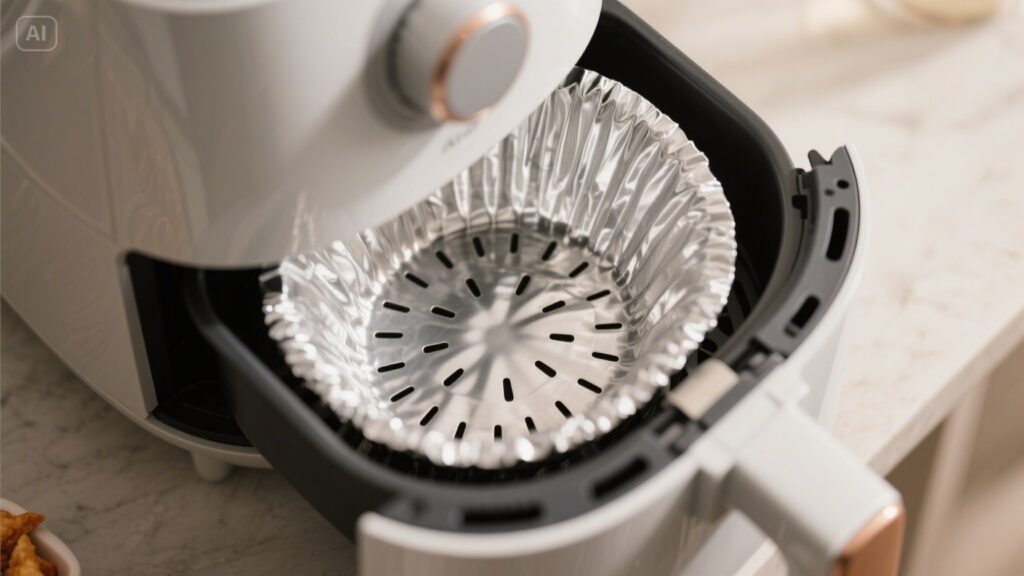
- Prevents food from sticking
- Catches crumbs, grease, and sauces
- Protects the fryer basket from wear and tear
- Makes cleaning faster and easier
- Improves air circulation for more even cooking
Compared to disposable parchment paper, silicone liners are reusable, eco-friendly, and far more cost-effective in the long run.
Top Benefits of Using an Air Fryer Silicone Liner
1. Simplified Cleanup
One of the most praised benefits is the massive reduction in cleanup. A silicone liner catches drippings and crumbs before they reach the fryer basket. Remove the liner, rinse, and reuse: no more scrubbing baked-on grease or soaking parts for hours.
2. Even Cooking and Air Circulation
Many high-quality silicone liners have perforated holes that allow hot air to circulate beneath the food. This ensures that your fries stay crispy, your chicken cooks evenly, and your vegetables don’t steam instead of roast.
3. Longer Lifespan for Your Air Fryer
Protecting your air fryer basket from constant scraping and high-heat exposure helps extend its usability. Silicone liners act as a buffer, reducing wear and tear on the non-stick coating.
4. Eco-Friendly and Cost-Efficient
Forget parchment paper and aluminum foil that get tossed after one use. A silicone liner can be used hundreds of times, reducing waste and saving money.

Air Fryer Silicone Liner: A Must-Have Accessory
The air fryer silicone liner isn’t just a cleaning shortcut—it’s a key to unlocking better food texture and safer cooking. Whether you make sticky BBQ wings, gooey cheese snacks, or delicate baked goods, this liner ensures nothing sticks or burns.
Here’s what to look for when buying one:
- Size Compatibility: Make sure the liner fits your air fryer basket snugly but allows room for air circulation.
- Food-Grade Silicone: Ensure it’s BPA-free and rated for high temperatures (up to 450°F or more).
- Perforation Design: Holes or mesh patterns improve air circulation for crispy results.
- Non-toxic and Dishwasher-Safe: For safe, easy cleaning.
Hacks and Tips for Smarter Cooking with an Air Fryer Silicone Liner
✅ 1. Preheat with the Liner in Place
While some recommend preheating without accessories, preheating with the silicone liner inside ensures it reaches the proper temperature with your fryer. This prevents uneven cooking, especially for pizza rolls or frozen fries.
✅ 2. Add a Light Oil Spray for Extra Crispiness
While silicone liners are non-stick, a light spritz of oil on top of your food (not the liner) can enhance browning and crisping, especially for breaded or frozen items.
✅ 3. Freeze Leftovers Directly on the Liner
You can use your clean silicone liner as a non-stick tray to freeze cooked or uncooked food. Lay dumplings, chicken tenders, or veggies directly on the liner and freeze before storing them in bags—no sticking or mess.
✅ 4. Use Multiple Liners for Meal Prep
Do you own more than one liner? You can prep meals in advance by lining up several dishes with ingredients and popping them into the air fryer one by one. This will reduce cross-contamination and save time on prep.
✅ 5. Cut the Liner to Fit Custom Sizes
If your air fryer has an unusual shape or dual compartments, trim the silicone liner to size with kitchen scissors. Just be sure not to cut through air holes or compromise the heat flow.

Best Types of Foods to Cook Using a Silicone Liner
Not all air fryer dishes benefit from direct basket contact. Here’s a list of foods that pair perfectly with silicone liners:
| Food Type | Why Silicone Liner Helps |
| Chicken wings | Catches grease, prevents sticking |
| Mozzarella sticks | Stops melted cheese from ruining the basket |
| Cookies or baked goods | Prevents burning and allows even baking |
| Fish fillets | Keeps delicate pieces from breaking or sticking |
| Vegetables | Stops smaller pieces from falling through the basket grates |
| Marinated meats | Keeps sticky sauces contained |
| Dumplings & potstickers | Maintains crisp bottoms while preventing messes |
Silicone Liner vs Parchment Paper vs Foil
| Feature | Silicone Liner | Parchment Paper | Foil |
| Reusability | Yes (hundreds of uses) | No (single use) | Sometimes, but degrades |
| Air Circulation | Excellent (perforated) | Good (if perforated) | Poor (unless pierced) |
| Eco-Friendliness | High | Medium | Low |
| Stick-Resistance | Excellent | Good | Moderate |
| Heat Resistance | Up to 450–500°F | Up to 420°F | Higher, but risks sparking |
| Safety | Food-grade, non-toxic | Generally safe | Risk of reaction with acid |
Layering for Flavor and Moisture Retention
A lesser-known advantage of silicone liners is their ability to help layer ingredients for more complex recipes. By placing a liner over a mesh tray or basket, you can cook delicate items like thinly sliced vegetables or marinated fish on top of one another without worrying about sticking or uneven cooking.
This method also traps some of the natural juices and marinades beneath the food, subtly infusing flavors while preventing them from dripping onto the basket. Not only does this technique reduce cleanup, but it also enhances taste and texture, making dishes like teriyaki salmon or roasted vegetable medleys more flavorful and visually appealing.
Common Mistakes to Avoid When Using Silicone Liners
- ❌ Blocking airflow: Don’t use a liner that covers the entire bottom without holes—it can lead to uneven cooking or even damage your air fryer.
- ❌ Overcrowding food: Even with a liner, overcrowding prevents air from circulating, leading to soggy results.
- ❌ Using damaged liners: Replace if the liner starts peeling, warping, or smells burnt.
- ❌ Not cleaning properly: Rinse after every use—even if it looks clean—to remove oils and prevent bacteria buildup.
How to Clean and Maintain Your Silicone Liner
- Hand Wash: Use warm water, mild soap, and a soft sponge.
- Dishwasher Safe: Most liners are top-rack safe.
- Avoid Abrasives: No steel wool or harsh chemicals.
- Dry Thoroughly: Let it air dry or pat dry before storage to prevent mildew.
Proper care ensures your liner lasts hundreds of uses without losing performance.
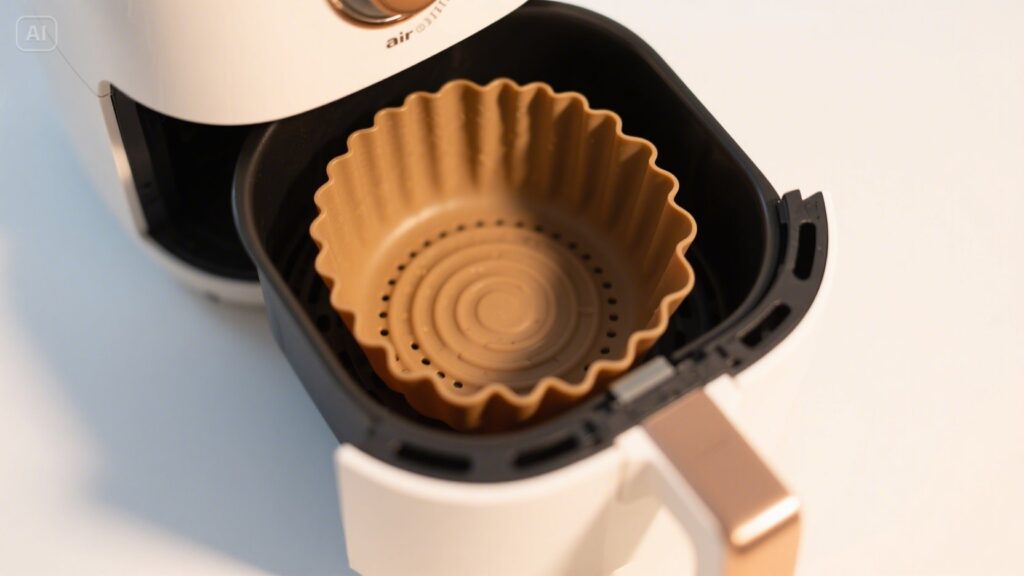
Improved Cooking Performance with Silicone Liners
Using an air fryer silicone liner not only simplifies cleanup but also enhances overall cooking performance by maintaining a stable cooking surface and improving heat distribution around food. Its non-stick and heat-resistant properties allow ingredients to cook more evenly while reducing the risk of burning or sticking to the basket.
This makes it especially useful for delicate or saucy foods that usually create a mess in traditional air fryer baskets. Additionally, it supports healthier cooking by minimizing the need for extra oil while still achieving a crispy and well-textured finish, making everyday air frying more efficient and consistent.
Final Thoughts
Incorporating an air fryer silicone liner into your cooking routine is a slight change with big rewards. From hassle-free cleaning to better-textured meals, this accessory transforms how you use your air fryer daily. Whether you’re a beginner or a seasoned home chef, silicone liner is a foolproof way to cook smarter, not mharder
Air fryer silicone liners are invaluable for making the cooking experience easier, cleaner, and more efficient. Utilizing these liners allows you to enjoy healthier meals while minimizing cleanup time and maximizing the versatility of your air fryer.
Apart from that, if you want to know more about Best Combi Boiler for Modern Homes: Smart Features, Compact Design, and User-Friendly Controls then visit our Home appliances category.
FAQs
Yes, most air fryer silicone liners are safe for up to 450°F. Always check your air fryer’s manual for compatibility and maximum temperature recommendations.
Absolutely. They’re designed for repeated use and can be used with nearly all foods, though foods needing extra airflow might do better without it.
No. In fact, they help improve texture by preventing sogginess and allowing even browning when they have proper perforation.
With regular use and proper care, a high-quality silicone liner can last for 6 months to 1+ year, depending on frequency of use.